

























































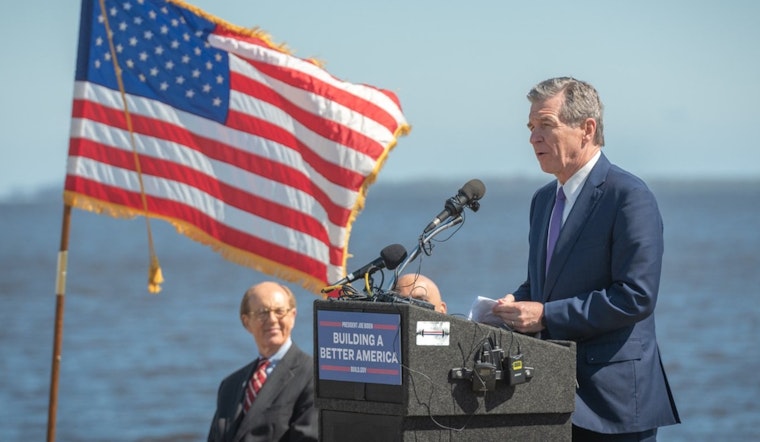
Former Gov. Roy Cooper rolled into Charlotte on Friday with his "Make Stuff Cost Less" tour and drew a steady crowd, using the stop to hammer home a simple message: prices are too high. Framing the U.S. Senate race as a pocketbook fight, he pointed to rising grocery bills, health care premiums and utility costs that he says are squeezing North Carolina families.
Cooper's Charlotte stop
At the Charlotte event, Cooper urged voters to make affordability the defining issue of the fall campaign, as reported by WCNC. His campaign platform, outlined on the Roy Cooper for North Carolina website, includes blocking anti-competitive grocery mergers, reversing cuts to Medicaid tax credits and making data centers pay the full cost of the power they use. The Charlotte pitch tracked closely with earlier tour stops in Durham, Fayetteville and Kinston, where Cooper rolled out the same affordability-heavy agenda.
A high-stakes matchup
Cooper is running for the U.S. Senate and is set to face Republican Michael Whatley in the November general election, an open-seat contest that emerged after Sen. Thom Tillis decided not to seek another term, according to The Charlotte Observer. Political analysts say the race could help decide which party controls the Senate, and that pocketbook issues like grocery and energy prices are playing an outsized role in how North Carolinians are making up their minds.
Money and outside groups
The money race is already heating up. Senate Majority PAC has locked in a $31 million television reservation in North Carolina to boost Cooper, according to the Raleigh News & Observer. Republican-aligned groups have indicated they plan to match that level of investment, setting up a fall campaign that is likely to be wall-to-wall on local airwaves.
Whatley and the national picture
Michael Whatley, a former chair of the Republican National Committee who secured President Donald Trump's endorsement when he launched his bid, has cast himself as a Trump-aligned contender and is expected to lean on national GOP infrastructure, as reported by AP. Democrats, for their part, are highlighting Whatley’s national ties and past work for industry groups to argue he would serve as a reliable ally of Washington insiders rather than an independent voice for North Carolina.
Where the race goes from here
Cooper's team says the Charlotte rally is one of many events planned across the state as he builds out a general-election operation, while Whatley and his allies ramp up outreach in conservative-leaning areas. With early polling showing a competitive contest and major ad buys already locked in, North Carolina voters can expect the volume from both campaigns to rise steadily through the summer and into November.





