

























































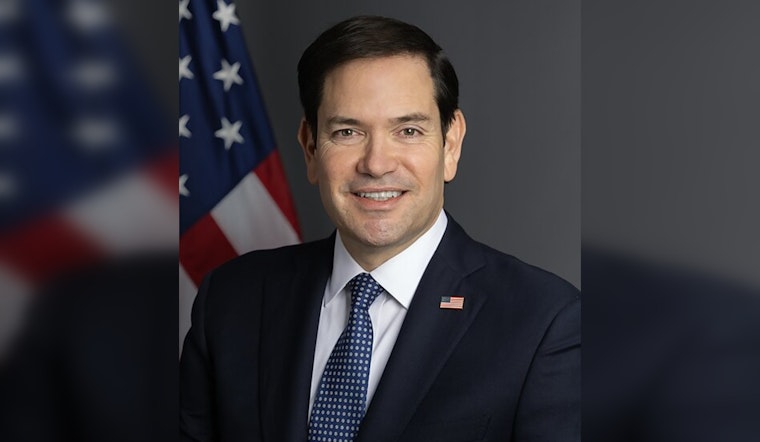
Secretary of State Marco Rubio turned up the pressure on Tehran on Tuesday, warning that the Strait of Hormuz must be reopened "one way or the other" as fragile ceasefire talks inched forward. Speaking while on a diplomatic swing through India, Rubio weighed in after Washington said it had launched what it called self-defence strikes in southern Iran, underscoring how tense negotiations are unfolding alongside live military operations in one of the world's most critical shipping lanes.
Rubio's warning in India
Talking to reporters aboard his plane in Jaipur, Rubio declared that "the straits have to be open, they're going to be open one way or the other," according to Al Jazeera. He tied that hard line to recent U.S. strikes on what officials described as mine-laying and missile threats, framing unrestricted passage through Hormuz as non-negotiable for the global economy.
Tolling system 'unsustainable'
Rubio also took aim at what he called Iran's "self-imposed tolling system," labeling it "unsustainable" and "unacceptable" and adding that he was not aware of any government that backed it, per News4SanAntonio. His comments mirrored broader U.S. messaging that any attempt by Tehran to charge for passage or squeeze traffic through the strait would face coordinated resistance from Washington and its partners.
Strikes could complicate talks
U.S. Central Command said American forces carried out "self-defence strikes" in southern Iran targeting missile-launch sites and boats allegedly laying mines, a move reported by outlets including The Guardian. U.S. officials cast the operation as necessary to shield American personnel and commercial shipping, but the timing, as Iranian negotiators traveled to Doha, risks deepening suspicion at the bargaining table.
Diplomacy remains on the table
Despite the fresh strikes, Rubio said negotiators were still grinding through draft language and that a deal "could take a few days," according to Al Jazeera. President Donald Trump, for his part, said on social media that discussions were "proceeding nicely," a message highlighted by KPBS that underscored how public optimism from the White House sits alongside far more cautious talk from its top diplomat.
Why the strait matters
The Strait of Hormuz carries roughly a fifth of the world’s seaborne oil and any sustained disruption there can jolt energy prices and trigger diplomatic scrambling, as detailed by AP. With Rubio vowing that the waterway will stay open and U.S. forces signaling they will move to protect shipping, both naval patrols and shuttle diplomacy are likely to ramp up while mediators try to turn a tentative framework into something that actually holds.





(2).jpg)