

























































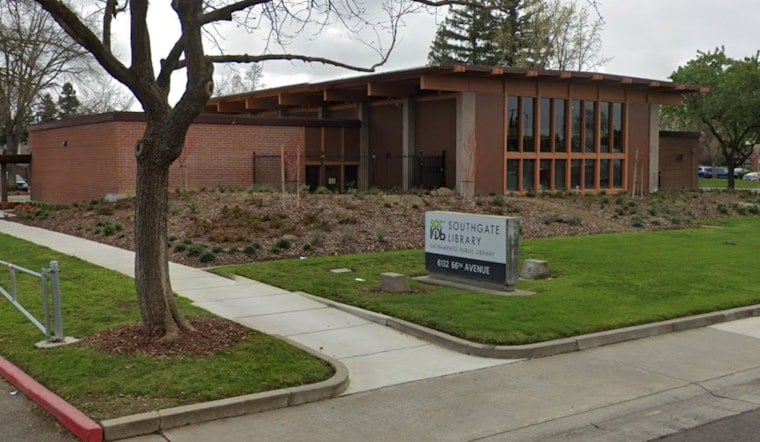
A mobile harm-reduction van set up in several Sacramento Public Library parking lots has touched off a heated neighborhood dispute, with nearby residents saying they are rattled by syringe exchange services appearing just steps from children's story time.
Library Frames Program As Health Outreach
In a Feb. 25 press release, the Sacramento Public Library announced that it had teamed up with Harm Reduction Services to host a mobile harm-reduction unit at neighborhood branches. The release said the van would visit the North Highlands-Antelope and Southgate branches every other week as a pilot program running from January through March.
The library described the partnership as part of its broader push to boost health literacy and connect the public with community resources, saying the effort was intended to expand access to lifesaving tools and education rather than change what happens inside the buildings.
Neighbors Voice Safety Concerns
Some neighbors are not buying it. Residents told CBS Sacramento they were startled to find a needle-exchange van parked on library grounds and worried about "the safety of families and children" who use the branches.
The pushback has quickly revived a familiar local argument over where low-barrier public-health services belong and whether public spaces that cater heavily to kids should double as access points for overdose prevention and addiction support.
What The Mobile Unit Offers
Harm Reduction Services says its mobile van provides syringe exchange, rapid HIV and hepatitis C testing, naloxone (Narcan), safer-use kits and on-the-spot outreach that connects people to medical care and social services.
The nonprofit describes itself as a non-judgmental public-health group that focuses on reaching underserved neighborhoods through mobile outreach, with an emphasis on meeting people where they already are rather than waiting for them to show up at clinics.
County Data And The Public-Health Case
The library and its partners point to broader overdose-prevention work in Sacramento County as the backdrop for the parking lot outreach. Sacramento County reported a 56 percent drop in fentanyl-related deaths between 2023 and 2024 and credited expanded naloxone access and coordinated outreach as part of the reason for that decline.
The Public-Health Evidence
Public-health agencies say programs like this are not just well-intentioned, they are evidence-based. The Centers for Disease Control and Prevention reports that comprehensive syringe-service programs cut transmission of HIV and other blood-borne infections and do not increase illegal drug use when paired with prevention and treatment services.
Program Schedule And Local Reaction
Although the Feb. 25 library release described the needle-exchange effort as a pilot running from January through March, the system's online events calendar shows Harm Reduction Services visits continuing into the spring, including April and May dates at branches such as Valley Hi-North Laguna. That has signaled to some neighbors that the test run may be stretching beyond its original window.
Opponents told CBS Sacramento they want more transparency and advance notice whenever the mobile unit sets up on library property, arguing that nearby residents should not learn about it only when they pull into the lot.
The pilot has reopened a familiar tension between neighbors who want library grounds to stay firmly child-focused and public-health officials who are trying to blunt a deadly overdose crisis wherever people can be reached. The library and Harm Reduction Services maintain that the visits are designed to save lives and link people to care, while officials watch how the pilot performs and how the community responds. For now, both sides are waiting to see what city and library leaders decide about how to balance outreach efforts with neighborhood concerns.




