

























































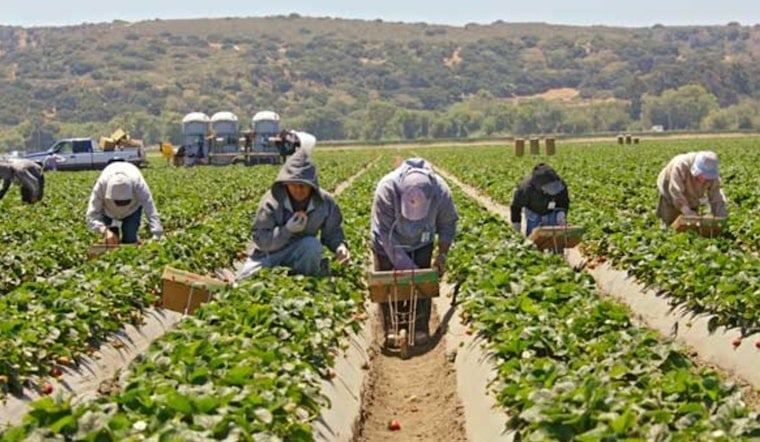
Public health officials are monitoring 140 agricultural workers who recently arrived in California after being exposed to measles during an outbreak in Arizona. The workers are spread across Fresno, Madera and Merced counties, but no measles cases have been confirmed among them.
The workers relocated from Arizona and are being tracked for symptoms by local health departments and the Arizona Department of Health Services, according to the Los Angeles Times. California health officials warned that additional exposed workers could arrive in the state in the next few days, while the three counties coordinate precautions to limit any potential spread.
The monitoring comes as Arizona continues to deal with local measles transmission. Maricopa County reported 25 confirmed cases among residents in 2026 as of July 28, far above its average of about one case per year over the previous three decades, according to the Maricopa County Department of Public Health.
California has also recorded a significant increase, although its three localized measles outbreaks reported through June have ended. The California Department of Public Health listed 52 confirmed cases statewide as of July 20, with most cases involving people who were unvaccinated or whose vaccination status was unknown, according to the state's measles data page.
The national backdrop is worse. The CDC reported 2,260 confirmed measles cases in the United States as of July 16, along with 34 new outbreaks in 2026; 93% of confirmed cases were associated with outbreaks, according to the agency's case tracker.
What Central Valley Residents Should Watch For
Measles symptoms commonly include fever, cough, a runny nose, red or watery eyes and a rash, with symptoms generally appearing seven to 14 days after exposure. The CDC says two doses of the measles-mumps-rubella vaccine provide the best protection, and two doses are about 97% effective at preventing measles, according to its measles guidance.
Anyone who develops possible measles symptoms should call a healthcare provider before arriving for in-person care. That precaution allows medical staff to protect other patients while officials continue watching the farmworker group; for now, health departments say the risk to the general public remains low.




