

























































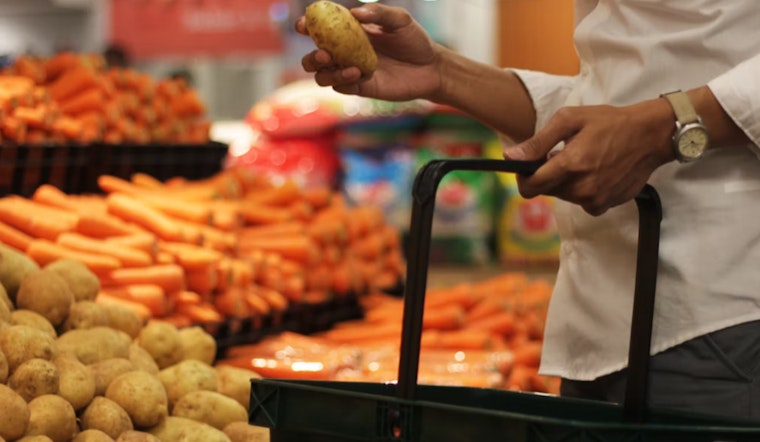
In grocery aisles across the DMV, most pantry basics are quietly holding the line, but a few usual suspects are landing some loud hits on family budgets. Branded eggs, certain cuts of meat and out-of-season produce, especially berries and corn, are where totals really jump. That is how a roughly 30 dollar cart at Walmart can suddenly look a lot more expensive when it rings up at around 42 dollars at a downtown Safeway.
That split shows up clearly in a survey of 10 commonly bought staples across Walmart, Giant and Safeway that compared the least-expensive option on the shelf at each chain, according to DC News Now. The station's "Stretch Your Dollar" spot found overall basket totals were largely unchanged from week to week, even as prices for specific items swung sharply by store and by product. Reporter Hayley Milon laid out per-item prices and a three-store comparison in a piece published May 26.
What Federal Data Shows
The Bureau of Labor Statistics reported that the food-at-home index rose 0.7 percent in April, while the broader food index sat about 3.2 percent higher than a year earlier, a reminder that grocery inflation has not actually disappeared. Those increases mean shoppers feel bigger swings on categories such as meat and fresh produce even when some staple items flatten out. The national numbers help explain how local price checks can show stability in the overall basket while individual line items spike.
Why Some Items Still Hurt Your Wallet
The USDA's Economic Research Service is projecting grocery, or food-at-home, inflation of roughly 3.1 to 3.2 percent for 2026, with fresh fruits, vegetables and beef expected to run hotter than the average, according to USDA ERS. Supply problems, from extreme weather that ruins berry harvests to higher diesel and fertilizer costs, are already filtering into local prices. Recent rain and heat have damaged some strawberry crops in California, cutting availability and pushing up retail costs, as reported by KSBW.
Local Price Snapshots And Where To Save
On the ground, the gaps are easy to spot. DC News Now's tracker found Walmart eggs as low as 2.66 dollars a dozen, while Safeway carried some branded eggs near 6.99 dollars. For chicken breast, Walmart listed about 2.57 dollars per pound compared with Safeway at 2.99 dollars and Giant at 2.00 dollars for the same item. The outlet also compared three-store basket totals, roughly 28.12 dollars at Walmart, 28.65 dollars at Giant and 41.88 dollars at Safeway, underscoring how brand choices and store selection can swing the final tab, according to DC News Now.
Smart Moves For Stretched Budgets
Shoppers trying to keep the damage in check are leaning on a familiar playbook. Comparing unit prices, tapping loyalty apps and swapping in frozen or canned produce when fresh options spike can all help. Choosing store brands, buying whole cuts for roasting instead of pricier pre-cut packages and planning meals around sale items can trim the bill without giving up nutrition. Many local shoppers still swear by scanning weekly flyers and timing trips around fresh-markdown windows to scoop up the best deals.
Expect more churn this summer as weather, fuel and global transport costs ripple through the supply chain. Forecasts from USDA ERS suggest grocery inflation could stay above historical averages through 2026, so keeping an eye on weekly price checks and national releases may offer the clearest hint of where the next grocery pinch will hit.



