

























































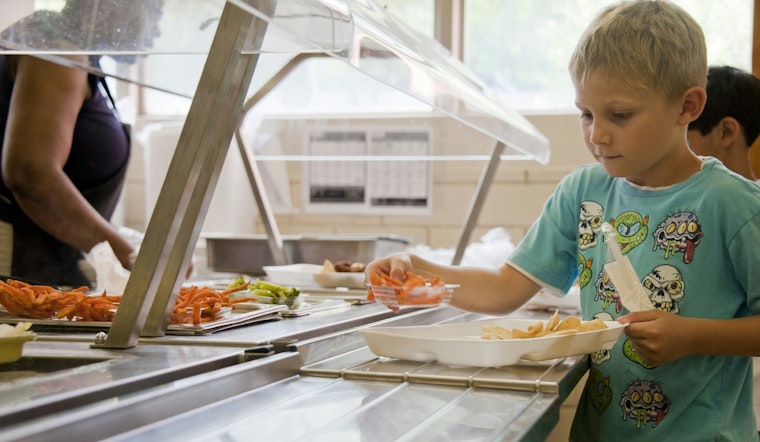
Federal changes to SNAP benefits are already rippling through San Antonio cafeterias, prompting districts to pare back campuswide free meals and potentially push the city’s largest district to raise student meal prices. District officials and cafeteria staff warn that thousands of students who count on school breakfast and lunch could be hit with new paperwork or charges as soon as next school year.
Earlier this month, principals at 29 North East Independent School District campuses told families that those schools would no longer automatically qualify for the federal Community Eligibility Provision, so families will now have to submit income verification forms if they want free or reduced-price meals. Online applications are expected to open in July, and the district estimates that roughly 15,000 students will attend non-CEP campuses next year, according to reporting by the San Antonio Express-News.
How the Community Eligibility Provision Works
The Community Eligibility Provision allows eligible schools to serve free breakfast and lunch to every student based on the school’s identified-student percentage, or ISP, which reflects students who are directly certified for programs such as SNAP or Medicaid instead of relying on household applications. Under current USDA rules, schools with an ISP at or above 25 percent can opt into CEP, and the reimbursement formula, which uses a 1.6 multiplier, means an ISP near 62.5 percent is enough to cover the cost of essentially all meals, according to analysis from the Congressional Research Service.
Federal policy changes behind the shift
Passage of the recent reconciliation law, Public Law 119-21, reshaped SNAP rules by tightening eligibility, expanding work requirements and creating a state cost-sharing trigger, changes that federal analysts say will reduce participation in the program. The Congressional Budget Office estimated that the law’s provisions would lower SNAP participation by roughly 2.4 million people on average and shift some program costs to states, while national analyses from organizations that track food assistance report that the declines are already dragging down direct-certification rates that underpin CEP eligibility. For districts that lose CEP status, that drop in identified students turns directly into a loss of federal reimbursement.
Local districts weigh price hikes and paperwork
Northside ISD, which enrolls roughly 97,000 students, is already gaming out options that could include modest meal price increases after holding the line for years. Child nutrition officials told board members the district may need to raise breakfast prices from $1.00 to $1.10 and add about $0.20 to student lunches starting in the 2027-28 school year if CEP participation falls, figures and context reported by the San Antonio Express-News.
What families should know
Districts say certain groups, including foster children, students experiencing homelessness and children enrolled in Head Start, will remain automatically eligible for free meals, and families who believe they qualify are being urged to have documentation ready when online applications open this summer. For parents and advocates, organizations such as the No Kid Hungry Center for Best Practices point out that when CEP stays in place it also cuts down on stigma and paperwork, which in turn helps boost meal participation and overall reach.





