

























































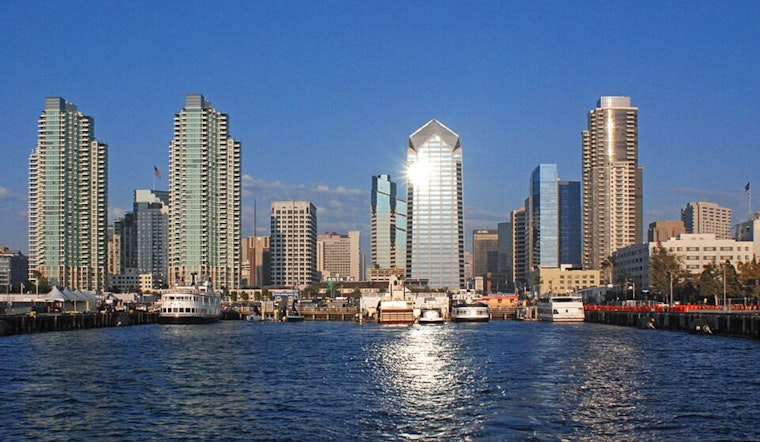
Waters off San Diego are running hot, and not by a little. Researchers at Scripps Institution of Oceanography say a full-on marine heat wave is gripping the coast, pushing near-shore surface temperatures far above what is normal for this time of year and toppling daily records at the century-old Scripps Pier. The unusually warm water is already showing up on local beaches as weak, emaciated seabirds and other red flags in the ecosystem that scientists warn could grow more severe if the pattern hangs on into summer.
Data From the Pier
The Scripps Pier has more than a century of sea-surface temperature data, and that long record makes this spike hard to ignore. From November through April, readings at the pier typically hover around 58 to 63 degrees Fahrenheit. This spring, researchers have been logging temperatures near 20 degrees Celsius, or about 70 degrees Fahrenheit, and say 38 daily records have already fallen this year. Many recent measurements are running roughly 3 to 7 degrees above the historical average, according to NBC San Diego.
How Scientists Define a Marine Heat Wave
There is a formal yardstick for what counts as a marine heat wave. Scientists define one as a period when sea-surface temperatures climb above the seasonally varying 90th percentile for at least five straight days, as laid out by Hobday et al. (2016). In this case, Scripps researchers point to persistent high-pressure systems that weaken coastal winds and tamp down upwelling, which normally pulls cooler, deeper water toward the surface. With that natural cooling dialed back, warm water can pool near the shore, a process the institution identifies as central to the current event, per the Scripps Institution of Oceanography.
Wildlife Already Feeling the Heat
The ocean may feel inviting to swimmers, but for local wildlife it is a different story. Scripps seabird specialist Tammy Russell reports that rescuers and rehabilitation centers are seeing more emaciated seabirds turning up on Southern California beaches. Many of the birds tested have come back negative for avian flu, which points instead to simple starvation as prey species shift deeper or move farther offshore to find cooler water. Those troubling sightings have been documented up and down the coast in recent coverage, according to KPBS.
Could This Last Into Summer?
Forecasters are also eyeing the tropics. A developing El Niño later this summer could help lock in warmer conditions along the California coast. Scripps scientists warn that if tropical warmth links up with already elevated near-shore temperatures, it would raise the odds that the current marine heat wave sticks around into the heart of summer. That concern lines up with regional outlooks and marine heat wave tracking tools maintained by NOAA's Physical Sciences Laboratory.
What It Could Mean Locally
Researchers do not have to guess what a prolonged warm spell might do. Previous large-scale marine heat waves, especially the 2014 to 2016 episode nicknamed "the Blob," triggered harmful algal blooms, disrupted commercial and recreational fisheries, and shifted the usual behavior of marine mammals and seabirds. Federal scientists caution that similar ecosystem and fishery impacts are on the table again if the current warm conditions do not break. Local resource managers, fishing communities, and conservation groups say they are keeping a close eye on updates from Scripps and federal agencies for any early signs of stress, per NOAA Fisheries.
Scripps scientists emphasize that the pier's long-running temperature record makes these anomalies stand out in stark relief. They warn that continued elevated temperatures would place sustained pressure on the coastal food web, from tiny plankton up through seabirds and marine mammals. Researchers say that expanded monitoring and tight coordination between laboratories, wildlife responders, and coastal agencies will be crucial as San Diego heads into the warmer months, per the Scripps Institution of Oceanography.



