

























































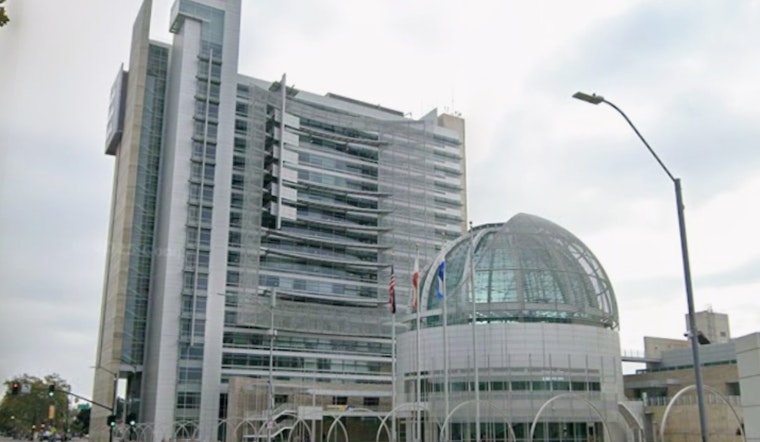
San Jose leaders are taking a serious look at ranked-choice voting as a way to fill midterm vacancies in the mayor’s office and on the City Council, potentially sparing voters from one-off special elections that cost millions and draw thin turnouts.
The proposed charter change has already cleared an initial hurdle at City Hall and could wind up on a November ballot if the full council signs off.
What's on the table
At a Rules & Open Government Committee meeting last Wednesday, councilmembers rolled out a memorandum asking the city to place a charter amendment on the November 2026 ballot to allow ranked-choice voting in special elections for vacant mayoral and council seats. The memo, authored by Councilmembers David Cohen, Rosemary Kamei, Michael Mulcahy and Anthony Tordillos, won a recommendation to move forward and was scheduled for the June 9 City Council agenda, according to the City of San José meeting agenda.
Costs and arguments
Backers say ranked-choice voting would let the city skip separate runoff elections by reassigning voters’ second and third choices until one candidate clears 50 percent, delivering a majority winner in a single trip to the polls. They also argue it can broaden representation and dial down attack-style campaigning.
The council memo and city staff estimates point out that a 2025 special election ran the city roughly $3.4 million, and that adding another charter question to the November ballot could cost up to $600,000, figures reported by The Mercury News. Those are not exactly rounding errors in a tight budget year.
Critics answer that ranked-choice voting can make ballots more confusing for some residents, potentially depressing turnout in certain communities, and that it can take longer to tally results once the rankings start getting reallocated.
Where it stands nationally
Ranked-choice voting is hardly experimental at this point. FairVote counts at least 49 jurisdictions across 22 states and Washington, D.C. that use or have approved the system, covering roughly 14 million voters. Supporters in San Jose point to that track record as proof the city would not be charting unknown territory, while opponents caution that how well it works can depend heavily on local voter education, outreach and ballot design.
Why it matters here
City officials are pitching the charter tweak as part of a broader push to keep election costs in check while they wrestle with a tight spending plan. San Jose is working off a mid-cycle budget that carries roughly a $50 million shortfall, according to San José Spotlight. Supporters argue that holding fewer stand-alone special elections could free up millions for basic services.
Opponents counter that a switch to ranked-choice voting is not free either, pointing to likely one-time costs for new voting software and extensive voter education before the first ranked ballot ever hits a San Jose mailbox.
Next steps
The Rules Committee has already sent the proposal to the full council, and city staff recommended formal action at the June 9 City Council meeting. If councilmembers vote to place the charter amendment on the ballot, voters would have the final say in November, according to the City of San José meeting materials.
Residents can tune in to televised or streamed council meetings, send written comments to the city clerk or show up at City Hall to speak in person once the item appears on the official agenda.



