

























































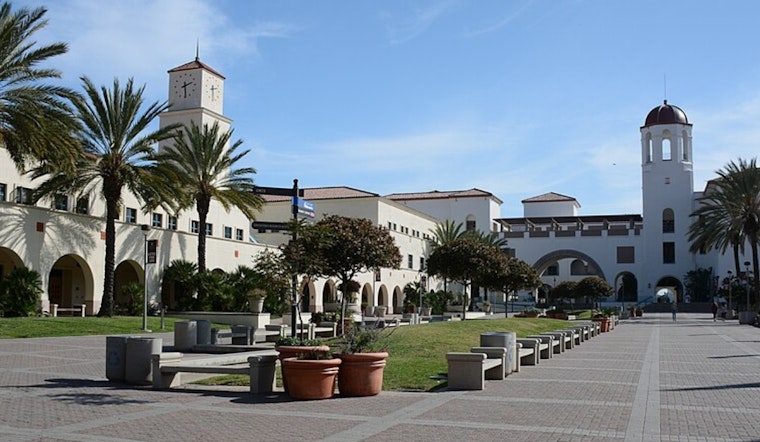
What should have been a typical first semester at San Diego State University turned into a medical and financial mess for freshman Bella Villegas, according to her parents. After moving into Zura Hall last fall, they say Bella started battling ongoing respiratory issues that kept getting worse until doctors rushed her into an emergency tonsillectomy. Even though she moved out in February, the family says they are still locked into her housing contract and staring down thousands of dollars in medical and housing costs.
Parents' account
About a month after Bella settled into her dorm room, her parents say they spotted and photographed what looked like mold in the space and soon watched her health slide. Doctors, the family told reporters, linked many of her symptoms to possible mold exposure and said she developed strep throat, an upper respiratory infection and a peritonsillar abscess that required emergency surgery. The family's description of events and the medical details were reported by NBC 7 San Diego.
University inspections and findings
San Diego State's Office of Housing Administration said it received three maintenance or service requests for Bella's room during the fall semester, and that staff inspected and serviced the unit each time. The university told reporters that what was seen in the room was described as suspected microbial growth from dust and moisture, that the affected areas were cleaned and a filter was replaced, and that a later third-party inspection confirmed that no mold was present in the unit, according to ABC 10News.
What SDSU's housing rules allow
SDSU's housing policy outlines a process that lets students request to be released from their housing contracts if they meet specific criteria, including medical or disability-related hardship. Each case is reviewed individually, and students must provide supporting documentation. The university's license agreement explains that anyone seeking a release has to file a Contract Release Request through the Housing Portal and may be referred to Student Disability Services to determine possible accommodations, according to SDSU Housing.
Health context: what experts say
Public health guidance has long warned that damp indoor spaces and mold are tied to increased respiratory problems, allergic reactions and asthma flare-ups, especially for people who are already sensitive or have underlying conditions. The EPA and the CDC both note that proving direct cause in an individual case is often tricky, and typically depends on medical evaluation paired with environmental testing. People with asthma, allergies or weakened immune systems are generally considered at higher risk for complications linked to indoor dampness and mold.
Family seeks refunds and help
The Villegas family says they have turned over medical records and other documentation to SDSU as part of the housing review process but still have not received an approved release from Bella's contract. They are calling on the university to refund her housing payments and cover her medical expenses. "We want answers and we want help for our daughter," the family told NBC 7 San Diego.
Legal and financial notes
Under SDSU's policy, medical-based contract releases require documentation and a formal review, and they are not automatically granted. Families who believe that housing conditions contributed to an illness are generally expected to provide medical records as part of that request. The university's license agreement outlines the criteria for possible releases, the steps for submitting requests through the Housing Portal, and it advises students who may need disability-related accommodations to work with Student Disability Services for a formal evaluation, according to SDSU Housing.




.jpg)