

























































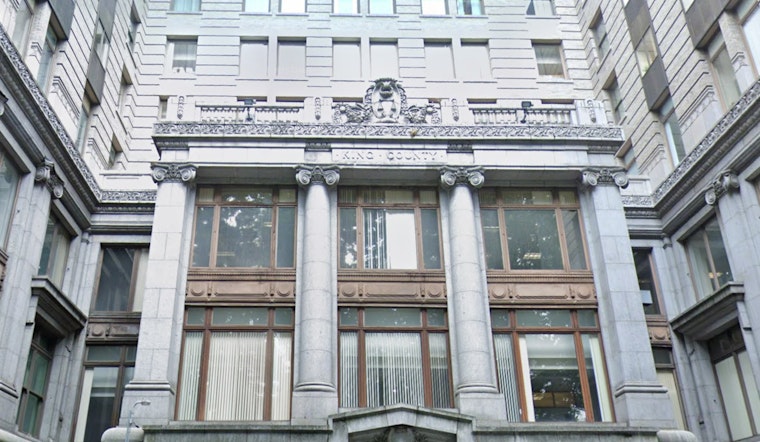
In just the first three months of 2026, King County prosecutors have filed 46 felony drug dealing charges, most tied to fentanyl, methamphetamine or both. The cases are stacking up in a county that has already recorded hundreds of confirmed overdose deaths this year, with a heavy concentration of enforcement in a few downtown Seattle neighborhoods where visible supply and street sales have drawn the most attention.
According to KOMO News, the King County Prosecuting Attorney’s Office filed 46 felony drug dealing charges from January through March. Of those, 25 were filed in Seattle and 21 elsewhere in the county. KOMO’s review of prosecutorial data found that more than 75% of the cases included fentanyl, methamphetamine or both, with 24 cases involving fentanyl specifically and 32 involving either fentanyl or meth.
KOMO News also reports that Public Health - Seattle & King County had logged 191 confirmed fatal overdoses through April 2026. For 2025, the county recorded 914 fatal overdoses, with fentanyl present in 78% of those deaths and meth in 56%, according to the same reporting. “The King County Prosecuting Attorney’s Office will continue to prosecute the people who harm our communities, with a particular focus on holding fentanyl and meth dealers accountable,” King County Prosecuting Attorney Leesa Manion told KOMO News.
How public health counts overdoses
To keep up with a fast-moving crisis, Public Health maintains a Fatal Overdose Dashboard that pulls near-real-time data from the King County Medical Examiner’s Office. Those numbers appear earlier than formal vital-statistics tallies and are used to guide rapid response and resource deployment, even while longer-term counts are still being finalized.
A county methods document breaks down how the data are collected, why medical-examiner figures show up sooner than other official counts, and how suspected overdoses are handled in the dashboard. For the technical fine print, see Public Health - Seattle & King County.
Where enforcement and treatment intersect
Prosecutors say they are zeroing in on sellers who are pushing lethal pills and powder, even as health providers and community groups try to keep people alive and get them into care. On the public-health side, local reporting and state officials point to expanded naloxone distribution, overdose-reversal vending machines, Seattle’s short-stay Overdose Recovery and Care Access (ORCA) site and the statewide Telebuprenorphine (Telebupe) hotline as key pieces of the response.
The Washington State Department of Health notes that Telebupe can be reached at 206-289-0287 for same-day telehealth visits and short-term buprenorphine prescriptions, giving people a low-barrier option to start treatment even if they are not yet connected to a clinic.
What it means now
The latest charging data underline a two-track strategy: prosecutors are trying to choke the supply of fentanyl and meth, while public-health teams lean on near-real-time overdose counts to decide where to send outreach, medication and harm-reduction tools. For county figures and dashboards, see Public Health - Seattle & King County. For same-day buprenorphine access, call the Telebupe hotline at 206-289-0287 or the Washington Recovery Helpline at 1-866-789-1511.





