

























































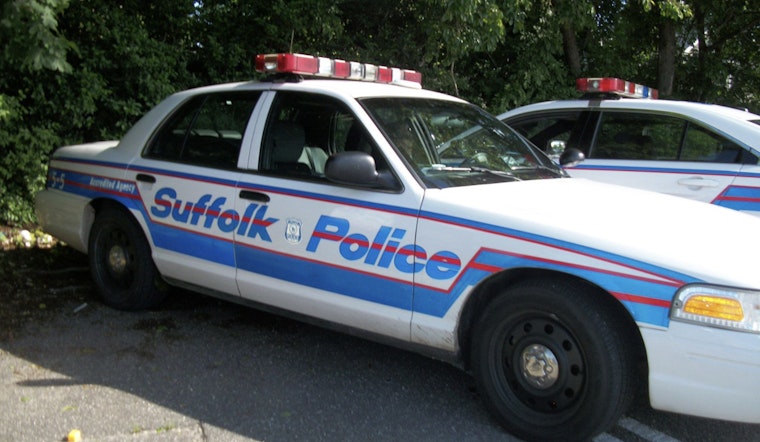
Suffolk County police have quietly slipped a small handheld saliva analyzer into their roadside toolkit this spring, saying it lets officers screen drivers for marijuana and other drugs in about five minutes. Officers and prosecutors are calling the device a "game changer" for cracking down on drugged driving, even as scientists and defense lawyers warn that a positive spit test is not the same thing as proof of impairment.
According to CBS New York, the system Suffolk County is using is called SoToxa and can flag seven drug classes in roughly five minutes. County officials told CBS they have rolled out three devices and plan to extend use to marine and highway patrol officers for summer DWI and BWI enforcement, combining the screens with sobriety experts and follow-up laboratory tests.
How The Roadside Saliva Screen Works
The SoToxa unit relies on an oral-fluid swab that is inserted into a handheld reader, which then gives a positive-or-negative result for several drug families, including THC, cocaine, methamphetamine, opiates and benzodiazepines, according to Abbott. Both the manufacturer and policing experts describe the device as a screening tool, not a quantitative measure of impairment like a breathalyzer. Departments that have adopted the technology restrict roadside use to specially trained Drug Recognition Experts and treat a field screen as a trigger for further testing. Police Chief reports that agencies are pairing these screens with established officer observations and laboratory confirmations.
Limits And What Earlier Pilots Found
Roadside saliva screening has produced mixed results in earlier state pilots, and critics point to concerns about false positives and timing. Reporting on Michigan’s statewide pilot showed that nearly one in four SoToxa positives were later overturned by blood testing, raising questions about error rates and courtroom reliability. Land Line Media and Investigative Post both document those findings and note that manufacturers advise laboratory confirmation for any field-positive result.
What It Means For Prosecutions
Prosecutors generally lean on laboratory blood confirmation and other investigative evidence before filing drug-impairment charges, so a roadside screen that flags a likely substance can speed up an investigation but does not replace lab work. Recent reviews of state oral-fluid programs show that device performance varies by drug type and operating conditions, which is why departments emphasize training and follow-up testing. An analysis in the Journal of Analytical Toxicology finds acceptable performance for some drug classes and clear limitations for others.
Officials’ Warning
County leaders are framing the rollout as a blunt warning to anyone tempted to drive under the influence. "There are people out there in their cars smoking marijuana," Police Commissioner Kevin Catalina told CBS New York, adding that officers now have another quick way to check for drugs. Suffolk County Executive Ed Romaine cautioned that motorists who drive high or drunk risk losing their vehicles entirely: "Not only will you lose your car, it's unlikely that you'll get it back." Chief Assistant District Attorney Allen Bode urged would-be drivers to call a ride rather than get behind the wheel.
How Police Say They Will Use It
Suffolk police say SoToxa results will be used to help establish probable cause and guide investigations, not as stand-alone evidence, with any field positives sent to accredited labs for confirmation. Policing experts note that environmental conditions, the timing between a traffic stop and a blood draw, and the specific drug being tested all influence how useful a roadside screen will be in court. For now, the county says the new devices are one piece of a larger DWI enforcement strategy that also includes increased patrols and trained evaluators. Police Chief outlines how agencies can combine screening results and lab testing in cases that need to stand up before a judge.
Bottom line for Long Island drivers: police have added another tool to flag recent drug use, and your saliva is now part of the equation. Courtroom proof will still hinge on lab confirmations, expert testimony and the full picture painted by officers’ observations.





