

























































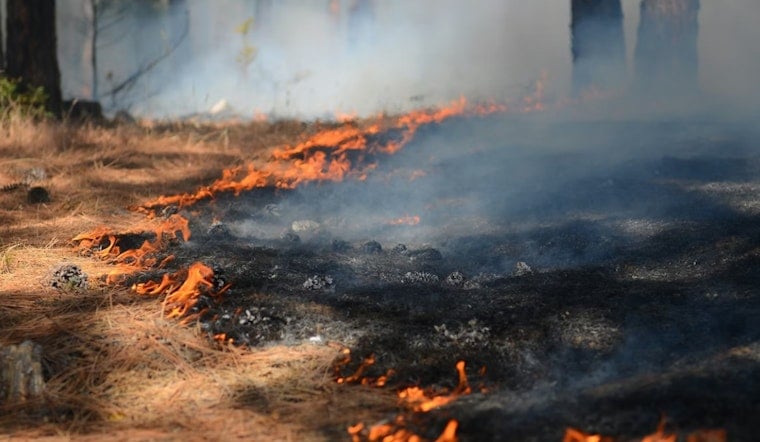
The hills northwest of Meeker are quietly running a fever, and state crews are in a hurry to keep it from turning into a full-blown wildfire. Colorado officials have launched emergency work above a nearly century-old underground coal fire at the historic Black Diamond Mine, where coal has been smoldering off and on since the 1930s. Crews are clearing dead pinyon and other surface fuels, cutting access lines, and carving defensive breaks so heat venting from below does not light up the dry brush this season.
State moves fast on decades-old blaze
The Colorado Division of Reclamation, Mining, and Safety jumped into an emergency fuels-reduction project after field instruments showed temperatures spiking from roughly 150°F earlier this year to nearly 800°F at some hotspots, according to CBS Colorado. On the surface, crews have spotted ground fractures venting heat through dry grass and patches of dying pinyon pines, a mix that officials say could easily touch off a surface wildfire if they leave it alone.
“This is not an actual coal fire mitigation,” DRMS senior project manager Tara Tafi told CBS Colorado, stressing that the push right now is about limiting the coal fire’s ability to start a wildfire and improving access for regular monitoring. The project, announced earlier this month, is being coordinated with the Office of Surface Mining Reclamation and Enforcement, the Bureau of Land Management and the Town of Meeker and is expected to run through July.
How crews plan to box it in
On the ground, the state plans to strip roughly 1.5 acres of trees and grasses around the hottest area, cut fire breaks, and build a 1.3-mile access route along an old mining road to make the steep site easier to reach, monitor, and defend, as reported by the Denver Gazette. Because the area is currently only accessible on foot, crews are reopening historic routes so they can safely bring in equipment and get firefighters in and out quickly if things flare up.
Why underground fires refuse to go away
Underground coal fires can smolder for decades, storing heat in surrounding rock and periodically venting flames or extremely hot gases through surface fractures that can ignite nearby fuels. Researchers also warn that the same hidden burn can weaken the ground enough to cause sudden collapse. The U.S. Geological Survey’s analysis of Colorado’s 2002 wildfire season points to the Coal Seam Fire, which burned roughly 12,200 acres and damaged homes, as a stark reminder that heat sources buried underground can have very real consequences on the surface (USGS).
What Meeker residents are being told
DRMS has briefed local officials and held community meetings in Meeker to walk through the mitigation plan and field questions from residents. The town has been posting updates and notices as work progresses, and the state says monitoring at the site will continue even after the current push wraps up. Officials are stressing that the project is a preventative move aimed at reducing wildfire risk, not an evacuation signal, according to Mining Industry Today.





