

























































Oklo says it is now in rarefied company with the United States Department of Energy, landing in a shortlist of five firms in advanced talks to turn Cold War era plutonium into reactor fuel. The Santa Clara based company is pitching the move as a high stakes way to speed deployment of advanced reactors, even as critics warn about safety and nuclear weapons risks. Oklo says it will team up with European developer newcleo to design the fuel and help line up potential project capital. The talks follow White House executive orders issued in May 2025 that shifted part of the government’s long running “dilute and dispose” approach toward industrial fuel cycle options.
The company confirmed its selection in a press release via Oklo, which describes the DOE effort as a program that “aims to make designated surplus plutonium material available to industry participants” under strict United States security, safeguards and material accountability rules. Oklo said newcleo is expected to contribute fuel know how and potential project capital, subject to final agreements and approvals. As reported by Reuters, the administration had already signaled in 2025 that it planned to make about 20 metric tons of Cold War era plutonium available for conversion into reactor fuel.
Where the material is stored and what it is
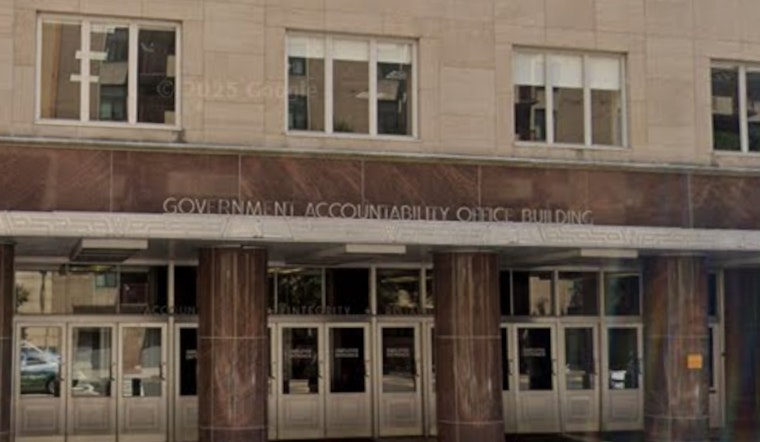
Surplus plutonium is scattered across the federal weapons complex, including the Savannah River Site in South Carolina, the Pantex Plant in Texas and Los Alamos in New Mexico, according to a review by the U.S. Government Accountability Office. The most common weapons useful isotope, plutonium 239, decays extraordinarily slowly. Its half life is on the order of 24,000 years, which means the material stays hazardous on something close to a geological clock, according to the Agency for Toxic Substances and Disease Registry via the NCBI Bookshelf.
Oklo's pitch: speed, supply and capital
Oklo and newcleo are casting the program as a way to turn an uncomfortable legacy stockpile into a bridge fuel while domestic fuel manufacturing catches up. “Fuel supply constraints are a key throttle to advanced reactor development,” Oklo co founder Jacob DeWitte said, and newcleo chief executive Stefano Buono argued that repurposing the material would “reduce U.S. nuclear liabilities,” according to the company statement via Oklo.
Pushback from lawmakers and experts
Not everyone is cheering. Democratic lawmakers have urged the administration to scrap the plan, arguing it raises proliferation risks and noting that, in theory, the surplus inventory could yield material for roughly 2,000 atomic weapons, as reported by Reuters. Independent experts and watchdogs say turning aging, chemically messy weapons material into reactor grade fuel is technically tricky, expensive and deeply security sensitive. Edwin Lyman of the Union of Concerned Scientists has criticized the regulatory shifts that laid the groundwork for the policy change.
Regulatory and legal hurdles ahead
“Advanced talks” is still a long way from a done deal. Any transfer, processing or fabrication of surplus plutonium would sit under tight DOE and National Nuclear Security Administration material control and accounting rules, Nuclear Regulatory Commission oversight where that applies, and full environmental reviews under the National Environmental Policy Act. Those procedural steps are spelled out in the Department of Energy’s final environmental impact statement for the Surplus Plutonium Disposition Program, and the broader policy direction is reflected in White House executive orders issued on May 23, 2025. Together, those documents outline how, and under what conditions, surplus material might be repurposed safely and lawfully.
For now, Oklo’s selection puts a Silicon Valley face on a fraught national experiment: whether weapons era plutonium can really be turned into commercial power fuel without creating bigger problems than it solves. The next milestones will be the outcome of DOE negotiations, any signed agreements with industry partners and the regulatory filings that spell out safeguards, schedules and costs.





