

























































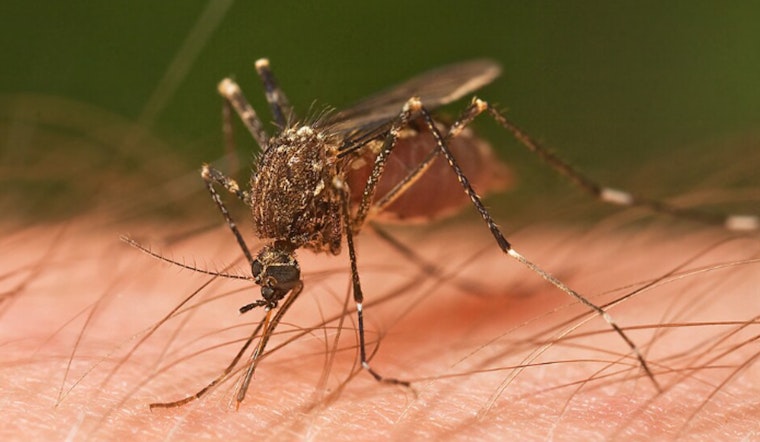
Chicago just landed in the No. 2 spot on Orkin's 2026 list of U.S. cities with the worst mosquito activity, a summertime brag no one really wants. The ranking, which reflects where pest-control crews are doing the most new residential mosquito treatments, has plenty of people eyeing their gutters and kiddie pools. Public-health officials and mosquito abatement districts, though, stress that treatment counts, trap data and weather patterns all have to be read together before anyone declares this summer a full-on bloodsucker disaster.
What Orkin measured and why it matters
Orkin's annual Mosquito Cities list once again put Los Angeles in first place, with Chicago in second and New York in third, based on the number of new residential mosquito treatments the company performed from March 18, 2025, to March 18, 2026, according to PR Newswire. The release also repeats Orkin's BITE prevention advice: block exposed skin, install screens, trim vegetation and get rid of standing water. Orkin says the list is a snapshot of where homeowners are buying services, but the numbers are based on treatments, not a direct count of how many mosquitoes are actually buzzing around.
Experts caution about reading the list literally
"Orkin's treatment-based data is not a direct measure of mosquito abundance," entomologist Justin Harbison told Block Club Chicago, pointing out that larger cities naturally generate more service requests. Harbison and other researchers note that the mix of mosquito species, temperature trends and available breeding habitats are more important to disease risk than service counts alone. In other words, a No. 2 ranking makes for a catchy headline, not a guaranteed forecast for every Chicago neighborhood.
Public-health signals and West Nile history
Local surveillance data add some real-world context. Suburban Cook County logged dozens of West Nile virus cases in 2025 and confirmed a West Nile-related death that year, according to the Cook County Department of Public Health. Officials have long warned that human case counts are underestimates, since many infections are mild or have no symptoms at all. That track record makes targeted trapping and testing critical, even in seasons when overall trap totals are not surging on every block.
What abatement districts are seeing now
On the ground, the situation looks very different from one part of the region to another. The North Shore Mosquito Abatement District told Block Club Chicago that recent traps have not turned up any West Nile virus and that current risk is low, even as neighboring agencies have reported busy mosquito complaint lines to NBC Chicago. North Shore spokesperson Dave Zazra added that early-season mosquito counts do not necessarily predict what will happen at the peak of summer. Managers across the region say responses will be local and targeted, and heavily influenced by whatever weather the next few months bring.
How Chicagoans can cut the risk
Residents still control some of the most effective tools for keeping bites down: empty any standing water, use EPA-approved repellents, keep tight-fitting screens on windows and doors and use fans to make it harder for mosquitoes to land. Orkin's BITE checklist serves as a quick reminder of those prevention steps, according to Orkin. Persistent standing water on public property should be reported to 311 Chicago so city crews or abatement districts can check and treat potential breeding sites.
Outlook: weather, control and a little luck
Scientists say climate shifts are stretching mosquito season and allowing warm-climate species to survive farther north, which makes each year's outlook a little less predictable. The CDC notes that climate is one of several factors that affect the risk of vector-borne disease, and that changes in temperature and precipitation can reshape where mosquitoes thrive and how long they stay active. Whether Chicago ends up itchier than usual this summer will depend on how hot it gets, how often it rains and how aggressively both residents and agencies cut down on breeding habitat.





