

























































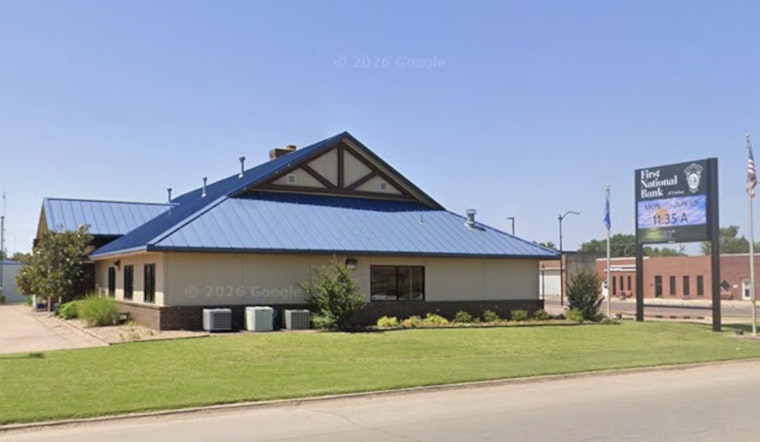
In a stunning fall for a rural Oklahoma lender where customers were often neighbors and friends, former First National Bank of Lindsay president and CEO Danny Seibel has pleaded guilty to a federal bank fraud charge in Oklahoma City. Prosecutors say his admitted scheme to dress up bad loans and tap bank funds to cover troubled accounts helped push the small-town bank into regulatory receivership. At sentencing, he faces up to 30 years in prison and a possible $1 million fine.
Prosecutors Say The Scheme Ran For Years
According to a press release from the U.S. Attorney's Office for the Western District of Oklahoma, Seibel, 55, worked at First National Bank of Lindsay from around February 2007 until his termination in September 2024. Prosecutors allege he steered the bank into making loans to certain customers, many of them personal friends and neighbors, that later went unpaid, then manipulated internal records and falsified reports to conceal mounting losses.
Regulators Stepped In After Suspicious Records
The Office of the Comptroller of the Currency moved to close the bank in October 2024 after identifying "false and deceptive" records that depleted the bank's capital, according to the OCC. The FDIC was appointed receiver and transferred insured deposits to First Bank & Trust Co. of Duncan, which reopened the Lindsay office as an acquiring-bank branch, per the FDIC.
Indictments, Investigators And Local Fallout
Seibel was charged by a federal grand jury on December 3, 2025, and recently entered his guilty plea, according to the U.S. Attorney's Office. The case drew a full lineup of investigators, including the FDIC Office of Inspector General, the FBI, IRS Criminal Investigation and the Federal Housing Finance Agency OIG. Local outlets tracked the case from the start, including coverage of his earlier indictment.
One Dramatic Example In The Charging Papers
Reporting that reviewed the court filings highlights a March 2024 episode in which Seibel allegedly went into the system and manually added $536,850 to a borrower's account to wipe out a roughly $533,600 overdraft. Text messages included in the indictment show bank staff scrambling to cover shortfalls as the numbers failed to add up. Industry coverage that examined the plea and charging documents lays out those entries and the alleged pattern of manipulation in detail, as reported by Banking Dive.
Why The Failure Was So Costly
A Treasury Office of Inspector General review concluded the collapse was driven by a "critical breakdown in the bank's internal controls." That failure allowed fraudulent activity to seep into a substantial portion of the loan portfolio and left the bank insolvent. The OIG pegged the loss to the Deposit Insurance Fund at about $42.3 million and urged a deeper review of supervision and fraud indicators.
What Happens Next
Seibel's sentencing date has not yet been set, and federal prosecutors say he faces significant prison time and fines when he returns to court. The case has become a cautionary tale for small community banks, adding fuel to ongoing debates over how regulators examine local lenders and how tightly internal controls need to be watched, even in towns where everyone thinks they know their banker.


