

























































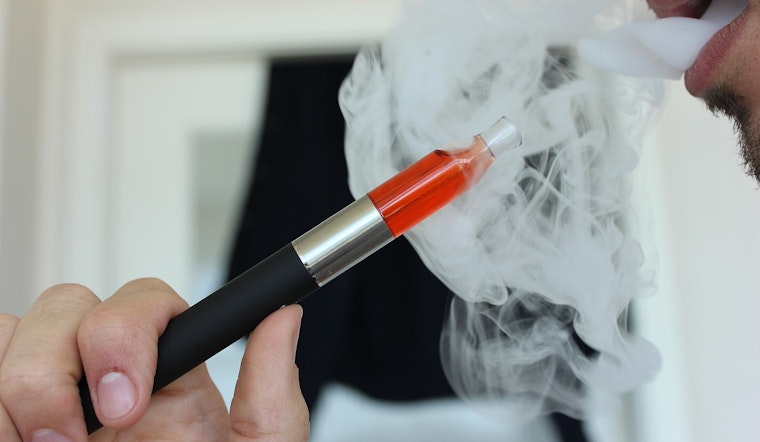
Wisconsin’s once rock-solid cigarette tax is shrinking fast as smokers swap packs for vapes and nicotine pouches, cutting into a revenue stream that used to quietly prop up everything from schools to Medicaid. Fresh numbers show a steep slide in excise collections, and now lawmakers and budget officials are staring down a familiar choice in a new form: rewrite the tobacco tax rules or find cash somewhere else.
According to the Wisconsin Department of Revenue, cigarette excise collections came in at about $369.6 million for the 12-month fiscal year that ended June 30, 2025. A report from the Wisconsin Policy Forum finds that total is the lowest in inflation-adjusted terms since 1992 and more than 60 percent below the peak reached in 2010. The forum also notes that nicotine taxes once supplied nearly 6 of every 100 dollars in the state’s general fund in 2010 but had fallen to just over 2 per 100 dollars by 2024, and it points out that while receipts from vapor products have risen quickly, they are still only a sliver of overall tobacco revenue.
Vaping Boom Is Not Plugging the Hole
"There's just a big shift taking place in how consumers buy and use these products," Mark Sommerhauser, communications director for the Wisconsin Policy Forum, said in the group’s analysis, posted by the Wisconsin Policy Forum. The report notes that collections from taxed vaping products have climbed sharply since 2020 but are still nowhere near covering the money the state is losing on cigarettes. That gap is prompting the forum and other budget watchers to talk through possible changes, from higher per milliliter taxes on e-liquids to a brand-new excise tax on nicotine pouches.
Tax Structure Makes Substitution Cheap
Wisconsin currently charges $2.52 per 20-cigarette pack and taxes e-liquid at only five cents per milliliter, and the excise does not apply to liquid sold separately, according to the Tax Foundation. That price structure helps explain why a single vaping cartridge can deliver roughly the same nicotine as a pack of cigarettes while generating far less tax revenue. State collection records show vapor-product receipts reached roughly $8.07 million in fiscal 2025, a tiny figure next to what the state still takes in from cigarettes.
Public Health vs. Pocketbook
"The more we can get folks to never start or to quit smoking, the more money our state will save in the long term," Molly Collins, advocacy director for the American Lung Association in Wisconsin, told Wisconsin Public Radio. Collins added that adolescents are especially sensitive to price and that relatively low taxes on vapes and pouches can make those products more tempting for young people. Her comments underline the central tension here: every new non-smoker is a public health victory that could shave future medical costs, even as today’s budget feels the pinch.
For state budget planners, the puzzle now is how to square the good news of fewer smokers with the immediate need to fund programs. Whether lawmakers decide to tighten excise rules on newer nicotine products, layer on additional levies, or look for fresh revenue far from the tobacco aisle, their choices will ripple through both Wisconsin’s balance sheet and its broader strategy to keep the next generation nicotine-free.





.jpg)