

























































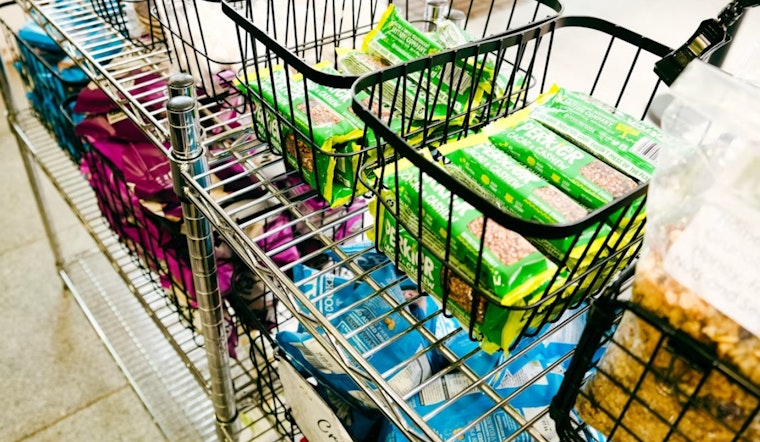
As summer break closes in on El Paso, the city’s food safety net is bracing for a gut punch. Federal changes to the Supplemental Nutrition Assistance Program, or SNAP, are expected to cut benefits and tighten work rules, and local food-bank leaders warn that the fallout will land hardest on the poorest families and children just as school meals go offline for the season. With demand already running high, advocates say the next few months could drive more households into emergency food lines.
Local food bank sounds the alarm
Chris Yagel, interim president of El Pasoans Fighting Hunger, told KVIA that the only certainty right now is uncertainty. “Changes are happening - that's the only thing we know for certain,” he said, adding that the lack of clear details makes it tough to plan for what is coming. Yagel believes El Paso will feel the cuts more acutely because of the area’s high poverty rates and already stressed local services. The food bank is mapping out how to expand sourcing, donations, and outreach so it can respond if need spikes.
What the new law changes
The reconciliation law known as H.R. 1 is set to reshape who gets help and how much. The Congressional Budget Office estimates the measure will reduce federal SNAP spending by roughly $187 billion over fiscal years 2025 through 2034. The law expands and tightens work requirements, generally calling for about 80 hours a month of work, job training, or volunteering for many adults, and it limits waivers and exemptions that previously allowed some people to keep benefits. Those policy shifts and their impact are also being tracked by groups such as the Center on Budget and Policy Priorities.
Texas has already seen enrollment slip
Across Texas, SNAP rolls are already shrinking. State data show the number of recipients dropped by roughly 500,000 people between mid-2025 and April 2026, sliding from just over 3.5 million to about 3 million. That is a decline of more than 13 percent, according to The Texas Tribune. Advocates point to stricter rules and confusion around paperwork and immigration status as likely drivers of the drop. The statewide decline is already putting extra pressure on food banks and school-based nutrition programs across West Texas, including in El Paso.
Summer meals leave children exposed
One of the biggest worries is what happens when school cafeterias close. Yagel told KVIA that many local children rely on school breakfast and lunch, and once those programs taper off in summer, families can be thrown into new instability. He warned that this kind of churn can fuel anxiety and mental-health strain for younger generations. Local leaders say it is harder to roll out predictable summer feeding plans when federal rules are shifting quickly, and SNAP enrollment is in flux.
How the food bank is responding
El Pasoans Fighting Hunger operates a wide network that includes client-choice mobile pantries, school pantries and a home-delivery program for seniors. The organization also provides SNAP outreach and application assistance. The group reports running hundreds of mobile distributions and dozens of school pantry sites each year as part of that effort. Staff have told donors and partners they are preparing to scale up distributions and increase SNAP enrollment help if needed, with those programs detailed on the food bank’s website.
The wider policy stakes
The debate over SNAP is not just about how long food lines get. National analysts warn the stakes are much higher. The Center for American Progress estimates that expanded work requirements and other changes could lead to tens of thousands of avoidable deaths nationwide by 2040 if large numbers of people lose access to food assistance. CAP and other advocates are urging Congress and federal agencies to delay or soften implementation while states and nonprofits catch up. On the ground in El Paso and beyond, elected officials and service providers are pressing for clearer federal guidance and emergency funding to blunt the immediate impact.
For now, El Paso’s food-security network is in mobilization mode, working to pull in more donations, volunteers, and outreach while pushing officials for clarity and resources. The food bank is directing residents to its website for up-to-date information on programs, volunteer opportunities, ways to give and SNAP assistance.




