

























































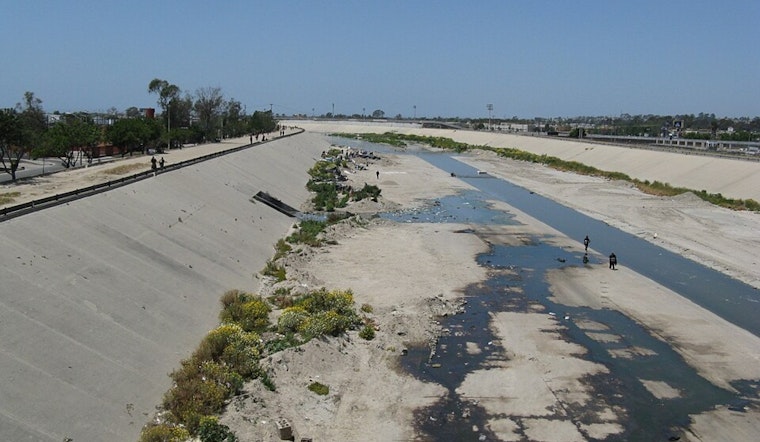
After years of foul smells, closed beaches and health warnings, a citizen-led coalition has hauled more than 150,000 petition signatures into the San Diego County Registrar of Voters office, trying to put a new half-cent county sales tax on this November’s ballot to help tackle the Tijuana River sewage crisis.
The proposal, dubbed the San Diego County Health and Safety Act, would also steer cash to expand health care access, boost childcare support and strengthen wildfire protection and 9-1-1 response. County rules give election officials up to 30 business days to verify the petitions before the measure can officially qualify.
Supporters say they delivered boxes loaded with petitions claiming more than 167,000 signatures, according to inewsource, while a local TV account pegged the initial drop-off closer to 151,000. Either way, the coalition insists it intentionally filed well above the minimum in hopes that random sampling and verification will still leave enough valid signatures to make the cut.
What the measure would fund
Backers estimate the half-cent sales tax would generate roughly $360 million to $367 million a year, tied to a detailed spending blueprint. As reported by Voice of San Diego, up to 60% of the money could go toward childcare and health services, about 22% to 23% toward addressing the Tijuana River mess (with at least 20% of that river share locked in for infrastructure projects) and roughly 17% to 18% for wildfire prevention and emergency response.
Backers and critics
The campaign is receiving support from labor unions and childcare advocates, with endorsements from CalFire Local 2881 and Children First San Diego, according to inewsource. Not everyone is sold on paying more at the register, though.
Imperial Beach resident Marvel Harrison told 10News that it’s not fair to tax the people who are being poisoned by the problem, arguing the burden should fall elsewhere. In the same report, Children First San Diego director Courtney Baltiyskyy said the funding could support more research and community air purifiers to cut down on health impacts for families living with the pollution.
What happens next
Local rules give election officials up to 30 business days to review the petitions. They can use a random sampling method before moving to a full line-by-line signature check, as outlined in the San Diego Municipal Code. The campaign needs at least 102,923 valid signatures to qualify for the ballot, Voice of San Diego notes, which explains why organizers say they built in a sizable cushion.
Why this matters
The measure lands after years of beach closures, grim air-quality alerts and mounting frustration in South Bay neighborhoods that say they are absorbing the worst of the cross-border contamination. Elected officials and advocates have been pressing for a steady local funding stream even as federal and binational projects crawl forward.
Local reporting shows officials have already secured major federal commitments to upgrade treatment capacity north of the border. Supporters of the tax say a countywide revenue stream would provide reliable funding for projects that protect neighborhoods and beaches over the long haul. As reported by KPBS, backers argue that local control and accountability will be key for communities that have lived with the pollution for years.
If the Registrar certifies enough valid signatures, the Health and Safety Act will appear on the November ballot and needs a simple majority to pass. Supporters say it is time for voters to decide how to pay for long-delayed fixes and broader social services. Opponents counter that raising the sales tax can be regressive and insist that polluters and binational partners should be held to account rather than shifting more costs onto local shoppers.



