

























































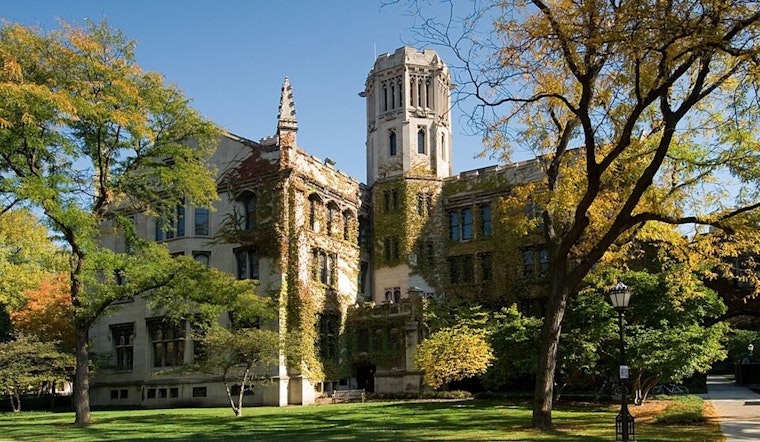
The University of Chicago is blowing up its sticker price for many families, pledging tuition-free undergraduate study for students from households earning under $250,000 a year starting in Autumn Quarter 2027. For families making less than $125,000, the offer goes further, with housing, meals and other mandatory fees also covered. University leaders are pitching the overhaul as a way to make the private research university feel financially realistic for more middle- and upper-middle-income families.
In a press release via University of Chicago News, President Paul Alivisatos said the shift "deepens our commitment to affordability" and will help "ensure that the brightest minds can join us." James G. Nondorf, the College's dean for admissions and financial aid, said the initiative is meant to "radically expand and simplify" financial support so families can better anticipate what they will actually pay.
What the package covers and what it costs
The new thresholds land in a context where tuition alone at UChicago is about $71,000, and the total cost of attendance is closing in on $98,300 per year. The Chicago Sun-Times reports that the average undergraduate already receives roughly $75,000 in financial aid, and that the university distributes about $225 million in undergraduate aid annually.
Part of a national affordability push
UChicago's move slots into a broader wave of financial aid expansions at elite research universities, as schools raise income cutoffs or roll out scholarships that wipe out tuition for many middle-income families. The Association of American Universities has tracked similar changes at institutions such as Emory, Johns Hopkins, Tufts and Yale, noting that many of these efforts lean heavily on endowment funds to cover the growing aid commitments.
Local programs and who benefits
University officials also highlighted longstanding efforts to recruit Chicago students, including UChicago Promise and other scholarships that already cover tuition for some Chicago Public Schools and City Colleges graduates. In a statement via University of Chicago News, administrators said the new guarantee is designed to strip out some of the complexity in the aid process and make overall costs more predictable for families.
Even so, focusing on tuition alone leaves a sizable gap for many households. Families that do not qualify for the expanded housing-and-meals coverage will still be staring down substantial room, board and personal expenses. Advocates and students have pointed out that while the policy is a major step, total four-year costs can still run to roughly $200,000 to $300,000 once living expenses are added in, a reality the Chicago Sun-Times has examined.
The university says the guarantee will take effect in Autumn Quarter 2027 and that detailed eligibility rules, including how it will define "typical assets," will be posted on its affordability pages. Admissions officials say the policy is intended to broaden the socioeconomic mix of students while giving families more confidence about the real cost of sending a child to UChicago.





