

























































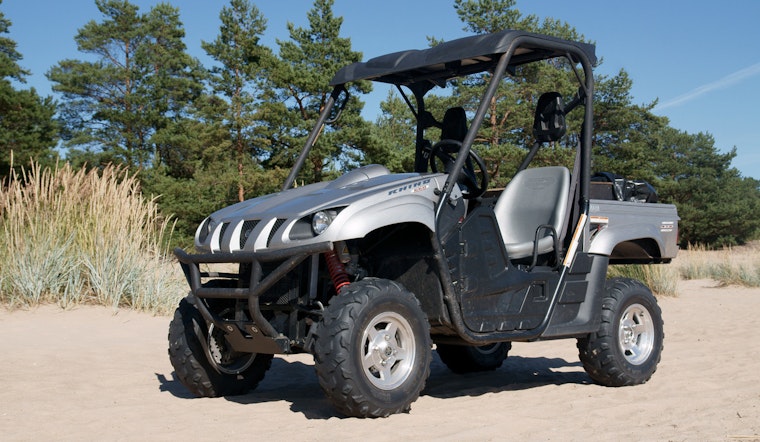
As Oklahoma riders fire up their ATVs and side-by-sides for spring, emergency rooms are seeing a wave of patients they would rather not meet. Doctors across the state report a sharp jump in serious injuries tied to ATVs, side-by-sides, golf carts and other small recreational vehicles, with crashes turning carefree rides into overnight hospital stays.
Physicians say they are treating more head injuries, crush injuries and broken bones from rollovers and high-speed impacts, and many of those cases are ending in surgery or extended admissions. Clinicians point to a familiar mix of problems: kids and teens behind the controls of adult-sized machines and riders skipping basic protective gear. The pattern has pushed hospitals and safety groups to ramp up education and outreach efforts this month.
“We’ve had at least a couple dozen” such cases in recent weeks, Dr. Ryan Brown said, adding that riders should “wear a helmet when riding faster than walking speed.” The same wellness report notes that a local uptick in e-bikes and e-scooters is also feeding emergency-room volume, according to News 9.
Hospitals And Safety Groups Step Up
Oklahoma Children’s Hospital and partners including Safe Kids Oklahoma and Bethany Children’s Health Center are responding with more community clinics and hands-on rider courses aimed at families. The goal is straightforward: help parents match kids with age-appropriate machines and make sure everyone knows what gear should be non-negotiable.
According to OU Children’s Hospital, those events stress DOT-certified helmets, boots, long pants and long sleeves as the basic starter kit for protection. Bethany’s ATV Ride Safe Oklahoma program adds free classroom instruction and on-course training for schools, camps and community groups across the state, giving young riders a chance to learn before they hit the trail at speed.
Helmets And National Trends
Federal safety officials say this is not just an Oklahoma problem. The Consumer Product Safety Commission’s recent off-highway vehicle report finds that tens of thousands of emergency-department-treated injuries tied to off-highway vehicles occur nationwide each year, underscoring how quickly a rollover or high-speed impact can turn catastrophic.
Local reporting has also highlighted a quieter but stubborn issue in helmet use. Many riders still reach for bicycle helmets, which do not provide the coverage or crash-energy protection experts recommend for motorized four-wheelers. Instead, riders are urged to use DOT-certified helmets built for motorized off-road use, as News 9 reports. For a deeper dive into the national picture, see the full report from the CPSC.
Doctors say there are a few clear lines families should not cross: children should not operate adult-sized ATVs, every rider should wear a DOT-certified helmet and sturdy footwear, and newcomers should get hands-on safety training before logging serious time on a machine. Families can find training schedules and free safety resources through Bethany Children’s Health Center and the Oklahoma Children’s injury-prevention pages.
Emergency departments argue that if Oklahomans want to keep enjoying their spring and summer rides, early education and proper protective gear are the most reliable ways to slow what clinicians describe as a troubling seasonal surge.





