

























































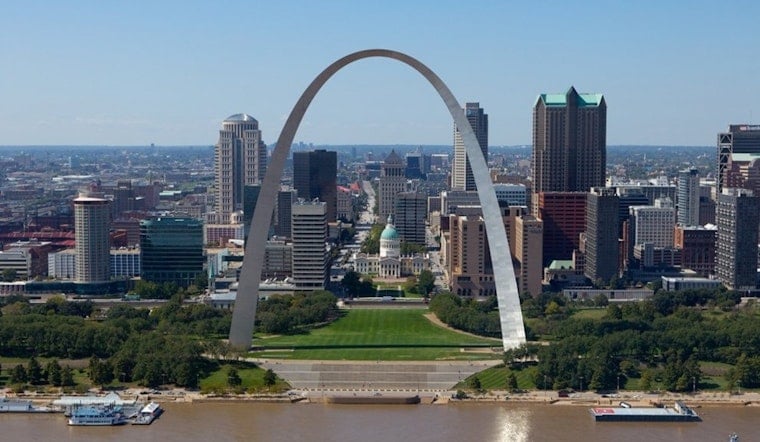
The St. Louis region just landed on a list nobody wants to headline. A new national air-quality assessment from the American Lung Association ranks the St. Louis area among the 25 worst metro regions in the country for ground-level ozone, with the St. Louis - St. Charles - Farmington metro averaging about 10 high-ozone days a year from 2022 through 2024. The news arrives right as ozone season ramps up and daily air-quality forecasts return, a combo that routinely rings alarm bells for kids, outdoor workers and residents living with asthma.
What the report found
The American Lung Association's State of the Air 2026 report leans on monitoring data from 2022 to 2024 to rank metropolitan areas and counties nationwide. According to the American Lung Association, nearly half of all children in the United States, about 33.5 million kids, live in counties that scored an F on at least one air-pollution measure. The analysis also finds that ozone exposure now affects more people than any other pollutant that is tracked in the report.
The study separates short-term spikes in particle pollution from long-term, year-round averages. The trends are mixed, with some improvement in certain places, but the report still flags persistent hotspots where particle pollution remains a stubborn public health problem.
How local counties scored
Across the bi-state nonattainment area the grades for ozone are bleak. St. Louis City, St. Louis County, Jefferson County and St. Charles County in Missouri, along with Madison, St. Clair, Macoupin and Jersey counties in Illinois, all received failing marks for ozone. As detailed by St. Louis Public Radio, the metro area tied for roughly 24th worst in the nation for ozone pollution and landed around 31st for year-round particle pollution, a reminder that soot is still very much part of the local air-quality picture.
Why ozone is climbing
Ground-level ozone is not directly emitted, it forms when pollution from cars, trucks, power plants and other sources reacts in sunlight. The American Lung Association points to hotter temperatures, weaker winds and wildfire smoke as key ingredients that are driving an increase in bad-ozone days. The report links those weather and climate trends to a recent rise in ozone exposure, which makes it harder to hang on to the gains achieved through past emissions controls.
Local clean-air advocates argue that transportation and industrial emissions are the most obvious places to look for faster relief, since those sectors remain major contributors to the region's ozone problem.
How residents can protect themselves
Health officials say residents should dial back strenuous outdoor activity on orange or red air-quality days, keep windows and air-conditioning filters clean and check the daily air forecast before locking in outdoor plans. Daily color-coded alerts are available through CleanAir-StLouis and the federal AirNow portal, and both parents and employers are urged to pay close attention to advisories for children and people who work outside.
The State of the Air report also makes it clear that personal precautions only go so far. Long-term improvement, it notes, will depend on sustained policy moves that cut emissions from transportation, power plants and industry.





.jpg)