

























































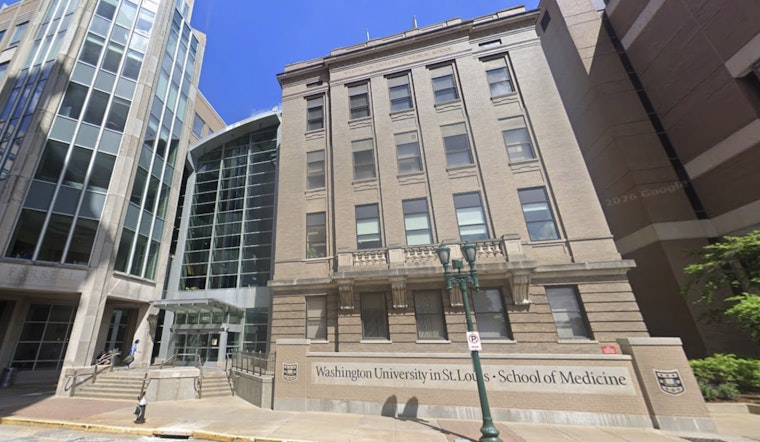
For more than two decades, Tim Miller has been quietly betting that a strand of genetic code could change the brutal math of ALS. Now the neurology professor and co-director of Washington University’s ALS Center is seeing that bet pay off, as long-term data show that tofersen, the antisense oligonucleotide drug he helped push from lab bench to clinic, can stabilize and in some cases partially reverse decline in people with a rare SOD1 form of the disease.
The findings cap years of lab work, high‑stakes clinical calls, and stubborn persistence from a team rooted in St. Louis. For Miller, who trained at Washington University and chose to return, the milestone is both professionally validating and personally charged.
What The Long-Term Numbers Reveal
According to an integrated analysis in JAMA Neurology, researchers combined data from the phase 3 VALOR trial with its open-label extension to track patients for roughly three years. People who started tofersen earlier showed less decline over that period, and about 25% of participants had either stabilization or measurable improvement in grip strength and respiratory function.
The same report documents large drops in SOD1 protein and in plasma neurofilament light chain, two biomarkers that line up with the clinical benefits patients experienced. The authors argue that the combined molecular and clinical signals provide a clear rationale for using the drug in SOD1-ALS. Miller is listed as a lead author on the paper and served as a co-investigator for the international trial.
How WashU Refused To Let The Drug Die
Miller, who was principal investigator on the 2021 trial, told St. Louis Magazine that the initial six-month results looked grim. “The day I presented the data was a dark day,” he recalled. But a strong biomarker signal and reports from patients themselves convinced the team to keep following participants rather than walk away.
He credited Washington University’s collaborative culture for that decision, describing how colleagues across labs and clinics rallied to re-examine the numbers and extend follow-up. That willingness to stick with what looked like a risky long shot is now central to how scientists describe tofersen’s apparent turnaround.
Tofersen, marketed as Qalsody, went on to receive accelerated FDA approval in April 2023 for adults with SOD1-linked ALS, according to Ionis Pharmaceuticals’ announcement. The company said regulators based the decision on biomarker reductions and longer-term follow-up from VALOR and its open-label extension, while also requiring confirmatory studies.
The current indication covers only a genetically defined minority of ALS patients, but researchers see the trial as proof that going after a disease’s genetic root can change its course. Biotech partners and academic groups are already testing similar antisense strategies against other neurodegenerative targets.
St. Louis As A Hub For What Comes Next
Washington University is now leaning into follow-up work that could widen the impact of the drug. A study listed on ClinicalTrials.gov is examining tofersen’s biological effects in adults who do not carry SOD1 mutations. At the same time, the multinational ATLAS program, also registered on ClinicalTrials.gov, is testing whether treating presymptomatic SOD1 carriers very early can delay or even prevent the onset of ALS symptoms.
Together, these trials are designed to probe whether antisense therapy can be broadened safely beyond the original genetic subgroup. For patients in St. Louis, it means the same center where Miller practices has become a national destination for advanced ALS care and trial enrollment.
Local leaders say the tofersen milestone is already influencing how scientists design ALS studies and where funders steer resources. Miller told WashU Medicine that “I have always believed that ALS is a treatable disease,” a conviction that has guided his work at the bedside and in the lab.
Researchers still caution that larger trials and more time are needed before extending these results to most people living with ALS. Even so, those intertwined molecular and clinical signals have already shifted expectations across the field, and St. Louis is firmly in the middle of that change.





