

























































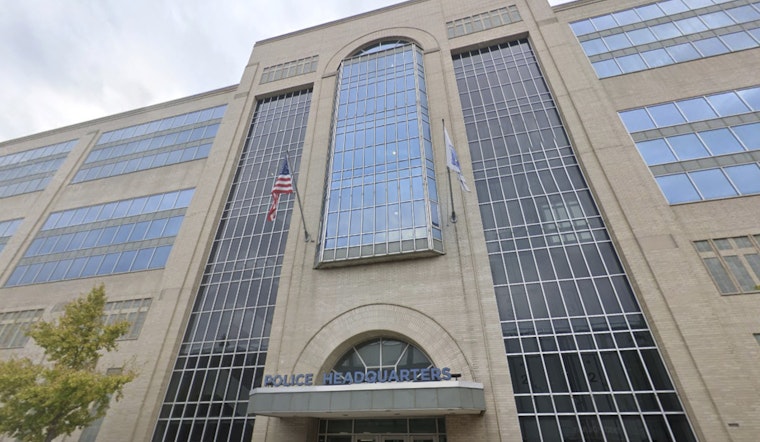
Longtime St. Louis activist Jamala Rogers says the legal fight over Missouri's takeover of the St. Louis Metropolitan Police Department has already turned into a marathon. In a video message Thursday, Rogers, who is one of the plaintiffs in the case, said the lawsuit challenging the state law was argued over two full days in Cole County. According to her account, the hearings zeroed in on whether the takeover statute strips the city of local control and forces taxpayers to shoulder new policing costs, deepening an already raw split among city leaders, activists and police unions.
How the lawsuit began
The challenge started in June 2025, when civil rights firm ArchCity Defenders filed a complaint in Cole County on behalf of Rogers and fellow plaintiff Mike Milton, arguing the takeover is unconstitutional, according to St. Louis Public Radio. The plaintiffs contend the law singles out the city and threatens community-based violence-prevention programs that organizers credit with helping drive recent declines in crime. Their filing put a grassroots legal push on the same docket as a separate lawsuit filed by elected city officials.
What the plaintiffs say
The suit takes direct aim at House Bill 495, arguing it functions as special legislation and an unfunded mandate under the Missouri Constitution, as detailed by Missouri Independent. Plaintiffs say the statute forces the city to dedicate sizeable sums to policing without any matching state appropriation and weakens local oversight mechanisms that residents have fought to build. The complaint asks the court for a declaratory judgment that the takeover law is unconstitutional.
Rogers' update
In her update Thursday, Rogers described the Cole County hearing as a two-day argument in which attorneys for both sides walked through constitutional claims and defenses in front of the judge. She urged residents to stay tuned to the eventual ruling, warning that the outcome could shape the future of neighborhood-level prevention efforts. The video, produced by the St. Louis Post-Dispatch, shows Rogers stressing that the decision may determine whether locally driven prevention work survives a transfer of authority to a state-appointed police board.
City weighs in
City Hall has mounted its own legal offensive. Mayor Cara Spencer refiled a related lawsuit in April, arguing that the takeover is an unfunded mandate that would drain money from other city services, according to a city press release. City of St. Louis officials said they turned to the courts after talks with the state-appointed board failed to resolve ongoing budget disputes. The mayor's lawsuit creates a parallel legal front that runs alongside the case brought by Rogers and other private plaintiffs.
Supporters defend the takeover
Supporters of HB 495, including Republican lawmakers and police unions, insist the move will restore stability, channel more resources to officers and put accountability in the hands of a board rather than City Hall. Critics answer that the law is political and punitive. Bolts reported that the statute returns control of the department to a state-appointed board and contains provisions that opponents say could require the city to devote a significant share of its revenue to the police department by 2028. The fight has sharpened a broader statewide debate over local democracy and public safety in Missouri's largest cities.
Legal questions before the court
At the center of the Cole County case are a handful of thorny constitutional questions. The court is weighing whether the takeover is an impermissible "special law," whether lawmakers properly used an emergency clause and other procedural maneuvers, and whether the Hancock Amendment blocks the state from loading new unfunded duties onto the city, according to ArchCity Defenders. In public statements, ArchCity Defenders has argued that the statute's structure and funding requirements raise serious constitutional and fiscal problems that should lead the court to strike it down. State attorneys have countered that the measure is within the legislature's authority and is necessary for public safety.
For now, the judge has not issued a final ruling, and both sides say they plan to scrutinize the decision as soon as it lands. Legal observers say the case could easily end up in higher courts. St. Louis Public Radio has noted that similar clashes over state control and local authority have previously reached Missouri's appellate courts. Rogers told the Post-Dispatch video team that she and other community groups intend to keep pressing to protect prevention programs and local oversight, no matter what the next judicial step turns out to be.




