

























































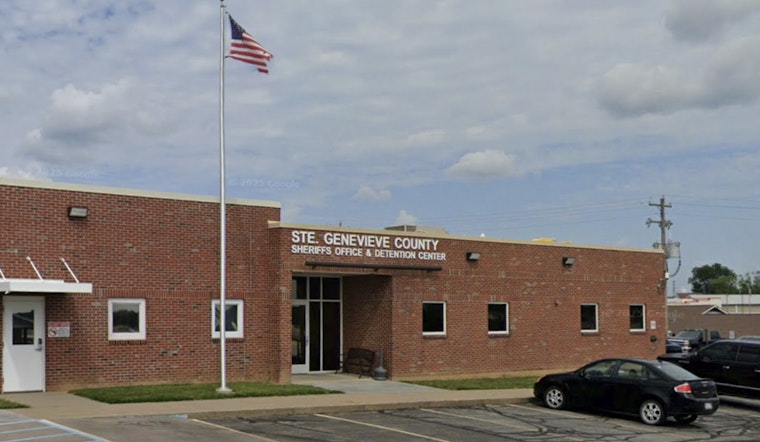
After walking through the Ste. Genevieve County Detention Center on Tuesday, two members of Congress say what they saw inside the region’s largest immigration detention site was nowhere close to acceptable.
The lawmakers, both on the House Oversight Committee, described cramped dorms packed with people, detainees sleeping on thin inflatable mats just inches off the floor, pregnant people reportedly going without prenatal care, and accounts from detainees who said they went so long without drinking water they resorted to using the shower.
As reported by KSDK, Reps. Wesley Bell and Nikki Budzinski said they used their committee positions to secure access to what they called the largest ICE detention facility in the St. Louis area. Observers on the tour described a dormitory with about 48 people inside. The pair told reporters they plan to take their findings directly to the secretary of Homeland Security and demand answers.
What Local Advocates And Records Show
Local advocates say the Ste. Genevieve County jail is increasingly doubling as an immigration lockup. The Ashrei Foundation reports that people held for ICE often account for more than half of the facility’s total population. The detention center also drew scrutiny after a detainee died in custody in October 2025, a death that appears in national detainee mortality records. AILA documents those concerns.
Lawmakers' Account
"Everyone deserves to be treated with dignity and respect," Bell said after the visit, adding that pregnant people inside the jail were not receiving prenatal care. Budzinski said she saw women with serious criminal records housed next to people she was told were detained over minor traffic offenses, and she described detainees sleeping on thin inflatable trays just a few inches off the ground.
KSDK reported that both lawmakers intend to escalate their concerns to top leadership at the Department of Homeland Security, pressing for a formal review of what they witnessed.
Legal And Oversight Questions
ICE’s Performance-Based National Detention Standards require facilities to identify and monitor pregnant detainees and to provide access to prenatal and specialized medical care. Advocates say those standards would be directly implicated if the conditions Bell and Budzinski described are confirmed. Those same rules are the baseline federal authorities use when they review medical care and custodial practices in detention.
ICE outlines those requirements in its published detention standards.
Facility Context
The Ste. Genevieve County Detention Center, located at 5 Basler Drive, holds both county inmates and people detained for federal immigration authorities under intergovernmental agreements. The sheriff’s office publishes basic information about the jail online, and local advocates say the federal presence there has grown in recent years, raising questions about whether the facility has the staffing and oversight to keep pace.
Ste. Genevieve County Sheriff's Office maintains the public listing for the jail.
Bell and Budzinski say they will push for a detailed accounting from DHS and ICE about medical care, water access and housing assignments at the facility. Advocates argue the visit highlights long-running concerns about transparency in immigration detention. Officials are now reviewing the lawmakers’ findings and weighing what comes next, and the situation remains in flux.





