

























































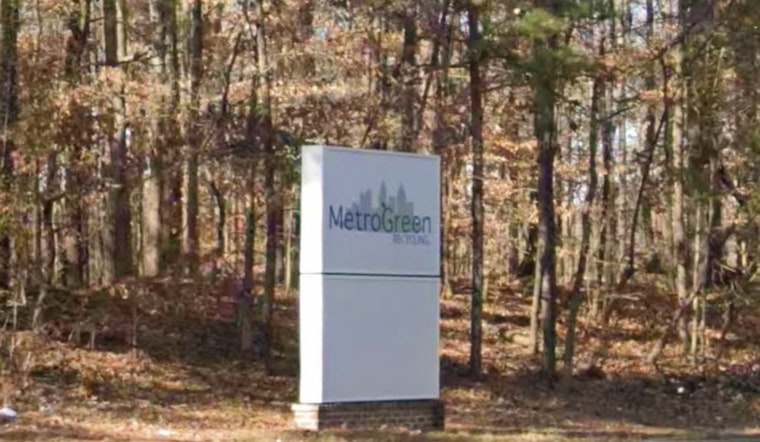
After years of dust, noise and tense neighborhood meetings, Stonecrest and Metro Green Recycling have quietly struck a settlement that closes the book on a long-running battle over a concrete-crushing facility built near homes off Snapfinger Woods Drive and Miller Road. The city says the deal requires Metro Green to relocate its operations to a new, undisclosed site, but there is no public timetable yet, and the future of the 58-acre property in Stonecrest is still a mystery. Neighbors who spent years complaining about heavy truck traffic and air quality are calling the settlement a major turning point after sustained protests and court fights.
Deal ends seven-year legal fight
According to The Atlanta Journal-Constitution, Stonecrest agreed in January to a negotiated settlement with Metro Green Recycling that ends a seven-year legal battle and will result in the controversial facility’s relocation. The outlet reports the company told courts it invested roughly $35 million in the project, while activists framed the plant as an environmental-justice flashpoint in a city that is more than 85% Black.
City frames deal as protecting residents
In a press release, the City of Stonecrest said the agreement "reflects a shared commitment to protecting the health, safety, and welfare of Stonecrest residents" and noted that the council approved the settlement in executive session on Jan. 28. The release states that both sides worked with legal counsel to reach a resolution that will shift Metro Green to an "appropriate location," but it does not reveal where that site is or when the move will happen.
Court rulings shaped the dispute
The Southern Environmental Law Center notes that activists and neighbors secured a 2021 injunction intended to halt construction after complaints about dust and noise near nearby homes. A later opinion from the Georgia Court of Appeals highlighted the central role of state permitting in the dispute and reversed a trial-court shutdown, sending the case into additional rounds of appeals.
Company losses and unanswered questions
Metro Green told reporters it spent about $20 million building the facility and lost roughly $15 million more in carrying costs, and the company claimed monthly losses of about $640,000 while the plant sat idle, The Atlanta Journal-Constitution reports. The newspaper also notes that the settlement was formally filed in mid-March, but officials have not disclosed the new location or the precise terms of the agreement.
What comes next for the site
City documents indicate that public records tied to the deal and any next steps will be released once the settlement is fully executed, leaving local planners and residents to debate what should happen on the 58-acre parcel. Any future permitting or redevelopment will have to line up with DeKalb County’s solid-waste plan and related regulations, a technical process summarized in trade coverage from Waste360.
Legal implications
With the settlement in place, the immediate court battles over the Stonecrest location appear to be finished, and any future challenges are likely to focus on permitting, oversight and regulatory approvals of the kind the appeals courts have already stressed. In practical terms, that shifts the fight from the courthouse to the hearing room, where neighbors and officials will be watching any new site and operator, along with the local permitting process, instead of relitigating the Stonecrest property itself.
For nearby residents, the agreement closes out active lawsuits but leaves some big questions hanging in the air: who will run the replacement facility, when it will open and what, exactly, will become of the Stonecrest land. City leaders and community groups say they will track public filings closely and expect more details to surface in the coming weeks.





