

























































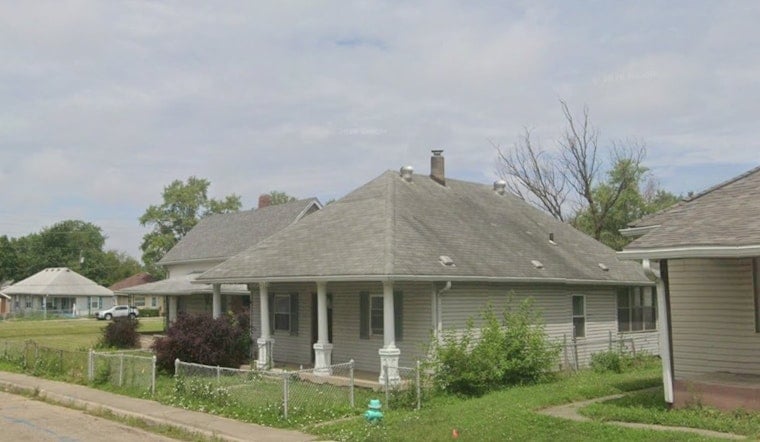
In Indianapolis’ Stringtown neighborhood, a routine zoning hearing turned into a packed-house showdown as residents lined up to challenge a proposed low-income apartment complex that would remake several blocks at once. The plan would cover roughly three acres, add about 240 units and wipe out multiple existing houses, while asking the city for a slate of zoning exceptions. Long-simmering tensions over density, safety and management boiled over in the room, with critics insisting they support affordable housing in principle but arguing this particular project is simply too big for their narrow streets. Supporters, meanwhile, framed it as exactly the kind of subsidized housing Indianapolis keeps saying it needs. The Metropolitan Development Commission will ultimately decide whether to grant the variances that would let the project move forward.
What the developer is proposing
The Annex Group, a Fishers-based developer, has filed plans for a complex identified in filings as Union at Astor. The project would sit on roughly 3.2 acres and, according to Mirror Indy, carry a price tag in the neighborhood of 70 million dollars, with commitments to help widen nearby streets. Public records and testimony describe a building of about 242 units, which would require demolishing vacant homes and removing alleyways to carve out space for the new construction. WTHR reports that Annex is asking the city for variances to allow apartments where current zoning does not permit them, to exceed existing density caps and to increase building height from roughly 35 feet to around 50 feet.
Neighbors push back
Residents filled the hearing room to challenge both the scale of Union at Astor and the loss of existing homes, arguing that a five-story, hundreds-of-units complex does not fit a working-class block of mostly small houses. Stringtown Now co-founder Jessy Baum told reporters she was caught off guard by the sheer size and density of the plan, and said neighbors fear an uptick in crime, high tenant turnover and strained property management, according to WTHR. Opponents at the hearing also pointed to public safety records associated with another Annex-managed complex in the area, noting a pattern of frequent police responses in recent years. That track record has become Exhibit A in the case against dropping a much larger version of the same developer on Stringtown’s doorstep.
Hearing examiner, councilors and neighborhood promises
The city’s hearing examiner has recommended approving several of Annex’s requests and passed the case along to the Metropolitan Development Commission for a final decision. As reported by Mirror Indy, City-County Councilor Kristin Jones told the hearing she views Union at Astor as one piece of a broader response to Indianapolis’ housing shortage, and noted that developers had been in talks with neighborhood representatives for about six months before filing formal paperwork. The Annex Group has also floated a community benefits agreement, which would steer funding and resources back into Stringtown as part of the deal, according to the reporting.
Developer background and citywide context
The Annex Group already operates several moderate-income housing communities in Indiana and other states, and has pursued similar subsidized projects in the Indianapolis region. The firm’s local footprint and past developments are documented by the Indianapolis Business Journal, which also notes that these kinds of projects typically lean on a mix of tax credits and city-backed subsidies. All of this is playing out against a tight housing market. Reporting from WFYI highlights a significant shortage of affordable units across Indianapolis, the very gap proponents say Union at Astor is meant to help close.
What happens next
Under Indianapolis’ procedures, the hearing examiner’s recommendation is not the last word. It can be appealed, and the Metropolitan Development Commission is the body that ultimately rules on the zoning and variance requests. City meeting materials and MDC dockets show that examiner recommendations are forwarded to the commission, while appeals and follow-up steps are processed through the Department of Metropolitan Development. Public hearings for those items are posted online for the commission to review. If opponents submit an appeal within the designated window, the case returns to the MDC for a formal vote. If no appeal comes in, the examiner’s recommendation can move toward finalization, even as Annex continues chasing financing and securing the additional permits needed to actually break ground.



