

























































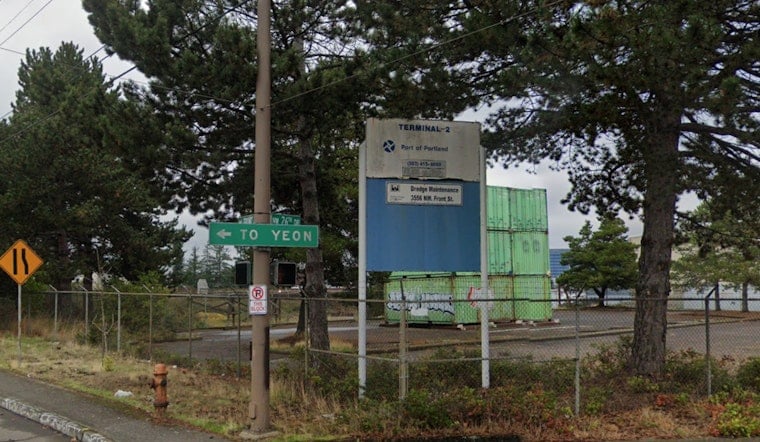
On a quiet stretch of Portland’s working waterfront, a 40-acre slice of the Port of Portland’s old Terminal 2 is getting a very different assignment: become a mass-timber research and manufacturing hub that cranks out modular housing and local jobs at the same time. Swiss timber firm Zaugg Timber Solutions has already signed on as an early tenant, and the University of Oregon plans to set up an on-site acoustics and energy lab to test building systems. Port officials and industry partners are pitching the project as a way to keep more of the region’s forest-to-frame work inside Oregon instead of shipping it out.
Port outreach materials brand the project as the Mass Timber and Housing Innovation Campus at Terminal 2 and place it in the Guilds Lake industrial area, where it can tap highway, rail and river connections. Those same materials highlight existing warehouses and short-term leasing options. According to the Port of Portland, the roughly 40-acre site is being positioned for housing manufacturing, research labs and incubator space geared toward startups and small builders. The master plan leans heavily on workforce training and building out a regional supply chain for engineered wood products.
Swiss firm signs on as anchor tenant
Zaugg Timber Solutions, a multi-generation Swiss mass-timber manufacturer, has agreed to a long-term lease for a factory at Terminal 2 and will start with interim production in a renovated warehouse, according to OPB. The outlet reports that the Portland facility is expected to hire about 60 workers at the outset and, once it is fully up and running, turn out hundreds of prefabricated mass-timber modules and homes each year.
Research, training and a forest-to-frame supply chain
The campus blueprint carves out room for the University of Oregon’s Acoustics Research & Energy Studies in Buildings labs so researchers can run on-site testing of acoustics and energy performance for mass-timber construction, according to Port of Portland materials. Those documents also describe incubator space, housing-manufacturing pads and short-term leases designed to pull manufacturers, builders and startups together along the riverfront. Project literature presents the effort as part of a broader statewide push under the Oregon Mass Timber Coalition to create jobs while supporting sustainable forestry practices.
Economic lift and local reaction
Port staff and coalition leaders say the campus is meant to bring back local work and supply-chain activity. Rachel Thieme, the Port’s economic development manager, told KOIN that “there’s a lot of opportunity to really activate this part of town and really bring economic activity back to the waterfront.” Marcus Kaufmann of the Oregon Mass Timber Coalition called the move “a huge win for the state,” and KOIN reports the project could support more than 360 jobs and, based on Port estimates, add up to $115 million in regional GDP.
Funding and the path ahead
The Oregon Mass Timber Coalition, which the Port helps lead, secured a roughly $41 million federal Build Back Better Regional Challenge award to jump-start infrastructure, training and research and development for efforts like Terminal 2, according to the U.S. Economic Development Administration. Zaugg has said it expects to begin production in Portland in 2026, per OPB, and the Port is marketing existing warehouse space for interim manufacturing while longer-term site work continues. Officials note that reaching the campus’s full employment and housing-production goals will still require additional capital and regulatory approvals.
Neighbors and builders will be watching Terminal 2 as the Port lines up more tenants and funding and tries to turn glossy renderings into actual factories and test labs. For now, the plan signals a bet that Oregon can convert its forestry strengths into new manufacturing and housing capacity, though the full build-out will hinge on patience and more public and private investment.





