

























































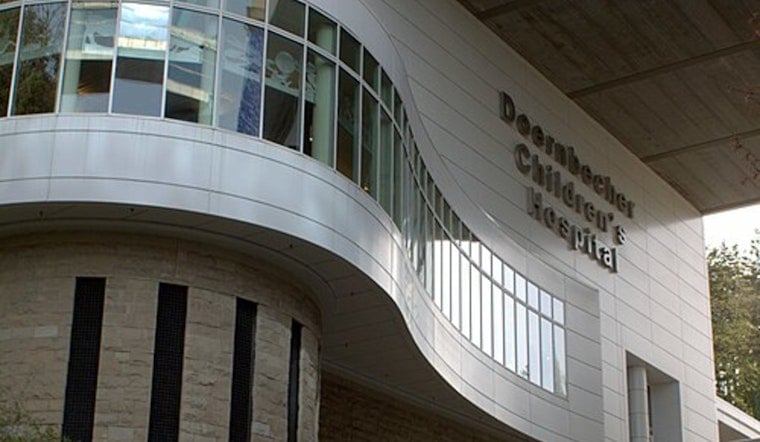
Oregon Health & Science University has put the brakes on a new Doernbecher children’s hospital wing that was supposed to boost obstetric and neonatal capacity, and bedside staff say the neonatal intensive care unit is already stretched to a breaking point. Nurses and parents describe cramped rooms, shared spaces and improvised overflow setups they fear could undermine care for some of the region’s sickest newborns.
Current and former NICU staff told reporters the unit now cares for more than 650 babies a year and at times has handled as many as 53 infants at once, with some rooms packed so tightly that families find themselves wedged between monitors and ventilators. The health system spent millions on planning the shelved project, then told regulators the build was unaffordable, declined multiple interview requests and withheld an internal capacity report, according to reporting by InvestigateWest.
On its own website, OHSU describes Doernbecher’s Level IV NICU as a 46-bed unit, a footprint that bedside staff say no longer fits today’s family-centered care model, according to OHSU. In a written statement to InvestigateWest, Doernbecher’s physician in chief, Dr. Dana Braner, said the NICU “can and must be improved” but argued that the multi hundred million dollar price tag for a new wing put the project beyond the health system’s current reach.
Vista Pavilion Spending Fuels Priority Fight
The debate over OHSU’s priorities intensified after the system opened Vista Pavilion earlier this year, a roughly $650 million, 14-story inpatient tower devoted to cancer care that leaders say will eventually free up existing space for other services. Nurses and some clinicians counter that the gleaming new tower shows where capital really went while plans for a women’s and infants wing stalled, as detailed in coverage of the new $650 million Vista Pavilion tower.
Merger Promises That Complicated the Picture
Public filings and reporting around OHSU’s proposed merger with Legacy Health showed the system telling regulators it would invest about $1 billion in infrastructure as part of that deal, raising fresh questions about how, exactly, OHSU planned to deploy its capital. The merger was ultimately abandoned in mid-2025 amid regulatory scrutiny and public pushback, but staff say the episode sharpened worries about which projects get greenlit and which are left waiting, per OPB.
Nurses and Families Press for a Real Plan
Union representatives and bedside nurses say they are looking for a clear, funded roadmap to expand neonatal capacity, not just broad promises. Parents who spent weeks or months at the bedside described daily stress in tight, noisy rooms, while nursing leaders told investigators they worry the unit could eventually be forced to turn away transfers if overcrowding continues.
What Comes Next
OHSU has told reporters that NICU teams continue to provide safe care and that leadership is exploring “additional care sites” to ease demand while it searches for financing. Clinicians on the ground say those stopgap measures are no substitute for a firm construction timeline and a serious capital commitment. Regulators, lawmakers and community advocates are now under pressure to push OHSU for a concrete plan so Oregon families do not lose access to the state’s highest-level newborn care.





