

























































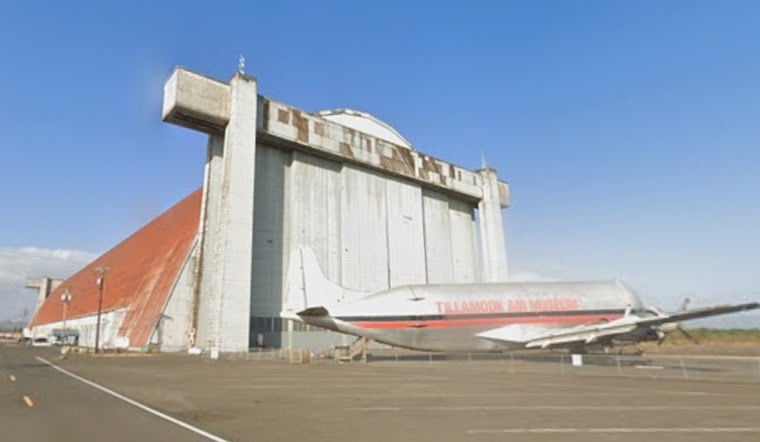
In a move that reshapes the future of one of the North Coast’s most recognizable landmarks, Port of Tillamook Bay commissioners voted Wednesday not to pursue a full repair of Hangar B’s storm-torn roof. Instead, the port will focus on removing the dangerous section that is still hanging, abating asbestos, and stabilizing the site. The call effectively keeps the Tillamook Air Museum closed for the foreseeable future and leaves preservation advocates working with a narrower, more complicated set of options. Port leaders framed the decision as a matter of public safety and financial realism, saying the small port simply cannot shoulder a major rebuild.
Port frames vote as a safety-first, fiscal choice
According to the Port of Tillamook Bay FAQ, commissioners centered the discussion on removing the southeast-end roofing that is still attached and dealing with hazardous materials, rather than signing on for a large reconstruction loan. The FAQ explains that any Federal Emergency Management Agency assistance, if the damage qualifies, would typically cover up to 75 percent of eligible costs, with roughly a 25 percent non-federal match required. Port officials say that match is more than they can comfortably finance. Staff told the board they had gone over contractor estimates, hazardous-material abatement needs, and long-range capital projections before recommending the more limited approach.
Commissioners vote 4-1 amid split estimates
The board backed the plan in a 4-1 vote, as reported by KGW. Throughout the meeting, commissioners and public commenters returned to the gap between the cost of emergency removal and stabilization and the far steeper price tag tied to fully restoring or demolishing the hangar. With no realistic local path to fund a complete rebuild, commissioners said they could not justify locking the port into a heavy, long-term financial obligation.
What the price tags actually look like
Contractor quotes given to the port for taking down the hanging portion of the roof and stabilizing the remaining structure came in around the low millions, roughly 3.5 million to about 5 million dollars. Engineering briefings warned that a complete refurbishment or a full demolition could cost significantly more, depending on the final scope of work. Local and aviation outlets have documented both the initial contractor numbers and the larger structural concerns, with coverage in KPTV and FLYING. Port meeting materials, including the briefing notes, are posted on the port website, and show that FEMA eligibility, funding gaps, and safety risks drove much of the conversation (Port of Tillamook Bay).
Museum status and fundraising
For now, the Tillamook Air Museum is staying dark while engineers and preservation specialists continue assessing the damage, and staff work to secure the collection and log expenses. The museum’s operations page lists the facility as closed and offers donation options for supporters, and Friends of the Tillamook Air Museum are coordinating local fundraising efforts. Community advocates have also pushed for federal help. The museum has pursued federal grant opportunities and submitted a Community-Initiated Project request to lawmakers, steps that are folded into the broader recovery strategy (Tillamook Air Museum; Vintage Aviation News).
Historic stakes and what’s at risk
Hangar B is on the National Register of Historic Places and is one of the few remaining World War II lighter-than-air hangars still standing in the United States. That status raises the stakes for preservation and also makes any straightforward demolition or rebuild more complicated. The roof spans about 12 acres and was constructed with massive Douglas-fir timbers, a scale that experts and local reporters say turns even basic repair work into a serious engineering project, not a routine roofing job. That history, and the value of the aviation collection inside, came up repeatedly in public comment and media coverage as residents weighed the cultural loss against the financial risk.
Short term: safety and abatement; long term remains unsettled
In the near term, the port’s plan is tightly focused: remove the immediate safety hazard, begin asbestos abatement on the damaged roof materials, and stabilize the site while other possibilities are explored. Local officials and museum leaders will continue tracking costs and chasing outside funding. Reporting indicates the port will also seek assistance specifically for asbestos abatement and for future stabilization work as it watches for potential state and federal aid (KGW). For now, the vote narrows immediate action to safety work and fundraising, while the community tries to keep both the hangar and its history from slipping away.




