

























































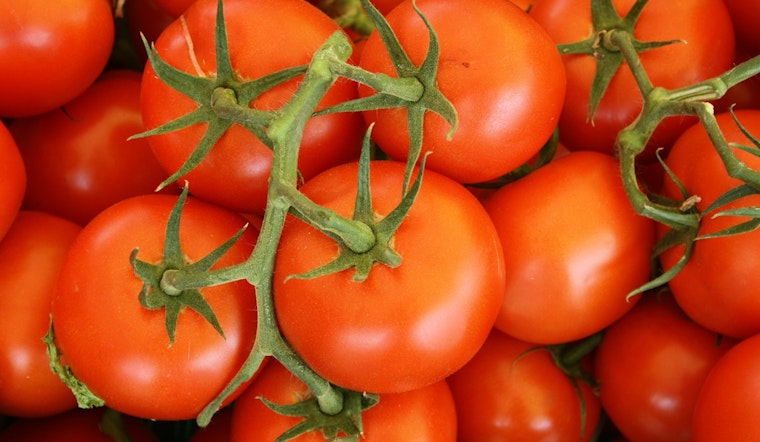
Tomatoes are suddenly the divas of the produce aisle, and Phoenix restaurants are paying the price. A sharp spring surge in costs is squeezing already-tight margins, leaving local kitchens to choose between raising menu prices, shrinking portions, or quietly eating the losses.
Wholesale cases that used to feel like a routine line item are now landing like a gut punch. Scottsdale Specialty owner Tony Wolkow told AZFamily he had “never seen it in 25 years” as Roma tomato prices jumped from about $15 a case to roughly $60 to $70. Federal data show the pain is not just anecdotal: the Bureau of Labor Statistics’ April Consumer Price Index tables report the tomatoes category rising about 39.7 percent year over year, while the broader fruits-and-vegetables index climbed 6.1 percent. For neighborhood spots that lean heavily on produce, tomato-heavy dishes have quickly turned into a financial headache.
Why prices jumped
Industry and government reports point to a tangle of supply problems and rising costs. USDA Market News data show Mexican shipments tightened over the winter and wholesale listings for vine-ripes and cartons moved higher. At the same time, the USDA Economic Research Service notes that the United States resumed antidumping duties on fresh Mexican tomatoes in July 2025, leaving many exporters facing an “all-others” rate near 17.09 percent.
Layer on top of that surging diesel and energy prices, which coverage has tied to geopolitical tensions, and the cost of hauling delicate produce across long distances has shot up. All of it flows straight into what restaurants and retailers pay for a basic box of tomatoes.
How chefs and suppliers are reacting
Faced with invoices that keep climbing, suppliers and chefs are doing what they can: trimming orders, rewriting specials, or waiting as long as possible before bumping prices on the menu. “We’re just going to have to bite the bullet and keep going,” Wolkow told AZFamily, summing up the mood in a lot of walk-in coolers around town.
Local public radio coverage has highlighted how Arizona distributors are juggling higher diesel bills and rethinking routes to keep deliveries viable. And the stress is not unique to Phoenix. Independent pizzerias elsewhere have already pared back or shut down in the face of similar tomato shocks, a trend captured in a recent story about a beloved Chicago shop that calls it quits.
Where relief might come from
There is some potential relief on the horizon, though no one is circling a date on the calendar yet. USDA analysts say that normal seasonal shipment patterns and larger domestic harvests are the most likely path to lower wholesale prices. If spring and early summer fields come through, they could help fill current gaps and take some of the heat off the market.
Chefs and buyers, however, are planning as if tight margins will stick around at least through early summer. Many are weighing whether to nudge menu prices higher, quietly scale back tomato-forward items, or rely more heavily on other ingredients until the numbers look less brutal.
For Phoenix diners, that probably means more frequent menu tweaks and pricier tomato-centric dishes in the near term. Behind the scenes, local suppliers, farms, and restaurant crews will be watching freight costs, harvest reports, and trade policy moves for any hint that the tomato tide is finally turning.





