

























































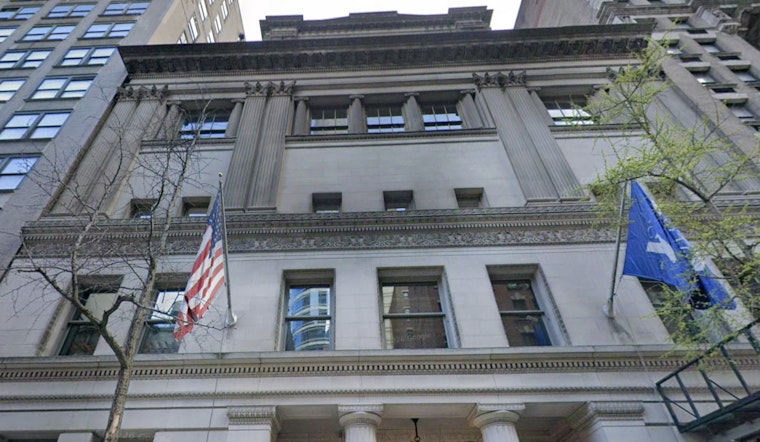
Several top federal enforcement officials abruptly bailed on the New York City Bar Association’s annual white-collar crime conference this week, leaving panels without their marquee government speakers and putting organizers in scramble mode. The withdrawals included prosecutors Alixandra Smith and Amanda Houle, Commodity Futures Trading Commission enforcement director David Miller and Samuel Waldron of the Securities and Exchange Commission. Organizers rushed to plug the gaps with last-minute replacements, and attendees filtered out of sessions trading theories about whether the cancellations were coordinated or a response to shifting policy winds in Washington.
A quiet unraveling at a City Bar event
The timing raised eyebrows because the Justice Department and other agencies have recently changed how they deal with national bar groups. As reported by Reuters, Deputy Attorney General Todd Blanche has moved to restrict official participation at certain bar events, a policy that has put career prosecutors at odds with organized legal groups. Against that backdrop, any last-minute government absences from a high-profile City Bar program were bound to stand out.
Regulators among the no-shows
According to The New York Times, the officials who pulled out included Alixandra Smith, Amanda Houle and regulators David Miller and Samuel Waldron, and spokesmen for the U.S. attorneys' offices declined to comment on the withdrawals. David Miller, who took over the CFTC’s enforcement division earlier this year, had been listed as a featured speaker, a hiring that was detailed by Bloomberg. With both regulator and prosecutorial voices missing, several panels played out with a noticeably different tone than many in the room had expected.
Why it matters locally
For New York lawyers, especially those who live on a diet of enforcement actions and compliance memos, City Bar conferences are among the few chances to hear directly from the officials who run key programs. Losing those voices narrows the informal channels that often help shape investigations and corporate compliance before trouble hits the docket. The pullouts also come after months of internal turmoil at the Justice Department that prompted high-profile resignations and public criticism of department leadership, a sequence described by outlets including the Los Angeles Times. That recent history is one reason many lawyers in the room read the withdrawals as something more than a simple scheduling mess.
City Bar reaction
The New York City Bar Association has already been publicly clashing with Justice Department leaders over rhetoric it says undermines the courts. Earlier this year, the group issued a statement criticizing what it called a threat to judicial independence, a position laid out in a New York City Bar Association press release. The organization framed recent comments from DOJ leadership as an assault on the independence of the judiciary, and City Bar organizers said they would press ahead with panels and try to reschedule the missing government speakers where possible.
Legal implications
Legal experts say the wave of pullouts risks creating a chilling effect. Fewer and shorter conversations between prosecutors and defense counsel can mean missed chances to clear up factual misunderstandings before they harden into courtroom fights. Reuters and other outlets have reported on departmental efforts to curb engagement with bar groups and on proposals that would change how the department handles ethics inquiries into its own lawyers, moves that have already inflamed tensions with bar organizations. Seen in that light, this week’s absences at a major City Bar gathering looked to many like a very public sign of broader institutional strain.
What’s next
Organizers say the conference will continue with substitute speakers, but attendees and panelists walked out acutely aware that government participation in public legal forums has narrowed. Spokesmen for the U.S. attorneys’ offices again declined to comment on the specific withdrawals, a detail noted by The New York Times. Lawyers in the crowd said they will be watching closely to see whether agency leaders return to City Bar stages in coming months or whether this week’s ghosting marks the start of a longer-term reshaping of how the government and the defense bar talk to each other.




