

























































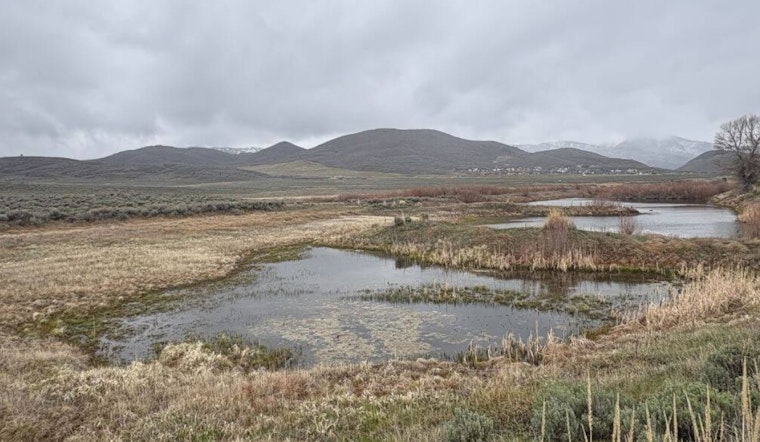
Park City residents are getting a front row seat in deciding how to tackle one of the area’s longest-running pollution problems. Federal environmental officials have rolled out a draft cleanup study for the long‑contaminated Richardson Flat tailings and opened a 45‑day public comment window, along with an open house this Monday, so locals can walk through the agency’s preferred cleanup approach in person. The proposal centers on targeted removal along Silver Creek, paired with revegetation in more remote stretches, and the comment period runs through June 8.
What the EPA Is Proposing
The draft Engineering Evaluation/Cost Analysis (EE/CA) lays out several cleanup alternatives and gives top billing to a targeted plan that combines source removal with revegetation. Under the preferred option, contractors would excavate roughly 160,000 cubic yards of tailings from the corridor’s most heavily used upper reaches, covering about 3.3 miles and roughly 81 acres, at an estimated cost of about $20 million. A complete removal of the site’s roughly 1.3 million cubic yards would cost significantly more. The agency says the targeted strategy would also allow work to roll out in phases if additional funding comes through, according to TownLift.
How To Weigh In
EPA Region 8 has published a public notice stating that the EE/CA is available for review and that written comments will be accepted through June 8, 2026. Submissions can be emailed to project manager Brent Campbell or mailed to the EPA records center, according to the agency’s posting on EPA. The notice links to the full EE/CA and the administrative record for the Richardson Flat site. A public open house is scheduled for Monday, May 11, from 5:30 to 7:30 p.m. in the Park City Library community room, per Park City Municipal.
Why It Matters
Silver Creek’s floodplain has been studded with historic mine tailings for years, and sampling in the EE/CA turns up arsenic and lead levels far above screening thresholds. Arsenic was measured in the thousands of milligrams per kilogram, while lead in some locations reached tens of thousands of mg/kg, creating health risks for people who use the rail trail and for wildlife in the corridor. The EE/CA cautions that children could exceed federal blood‑lead benchmarks through ordinary contact in the most contaminated stretches, and says revegetation and targeted source removal are designed to cut those exposures, according to TownLift. Locals have long wrestled with how cleanup, recreation and future development should coexist in the Richardson Flat corridor.
Funding And Legal Background
Federal and state agencies have been working on Richardson Flat for decades, and United Park City Mines previously agreed to carry out removal and restoration work through settlement agreements and administrative orders. That legal backdrop, along with more recent agreements, is what allows the EPA to move ahead with an EE/CA now and seek public comment before issuing a CERCLA action memorandum, according to the EPA. Officials say funding limits are driving the decision to focus first on the most accessible, highest risk reaches instead of attempting a full, sitewide cleanup in a single phase.
Summit County has posted an invitation to the open house on its official Facebook page and noted that no registration is required. Nearby residents say they will be watching closely as Park City continues to grow toward the corridor. The meeting at the Park City Library community room is open to anyone who wants to flip through the EE/CA and ask questions directly to agency staff.



