

























































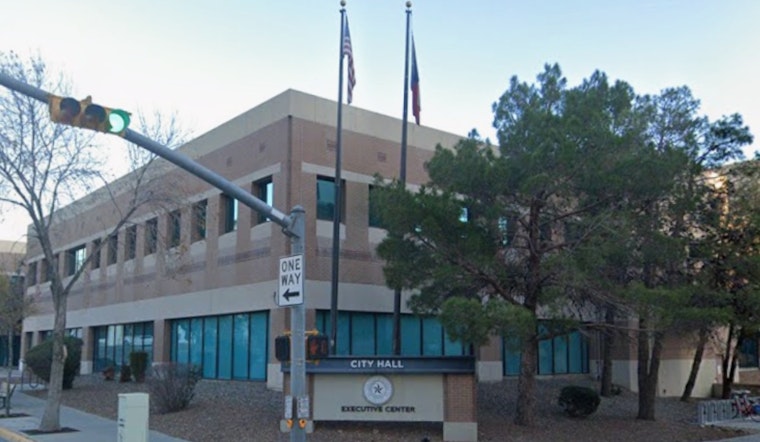
El Paso officials are rolling out a tougher, more coordinated attack on illegal dumping after city crews saw cleanups spike sharply this year. The cross-department plan on the table would bump up neighborhood cleanups, plant surveillance cameras at chronic problem spots, and introduce a new $20 one-time dumping pass for residents who do not have a city utility account.
The strategy gets its first public test on Tuesday, May 26, when the Environmental Services Department (ESD) briefs the City Council during a management update. The item appears as 26-0639 on the meeting packet, according to the City Council Agenda.
ESD data show the problem is not just anecdotal. The department averaged 32 illegal-dumping abatements per year from 2023 through 2025, then had already cleared 84 incidents by April 2026, according to the City Presentation. Those numbers are the backbone of a pitch for more frequent cleanups, stronger partnerships and faster enforcement.
Plan Highlights
The proposed strategy leans on three pillars: prevention, education, and abatement. It would formalize how the city works with existing volunteer cleanup groups, turning ad hoc efforts into structured partnerships with clear rules and city-backed disposal support, as reported by KFOX.
District-led cleanup events would also get a boost, going from two to three per year in each of the city’s eight districts. The plan calls for using local volunteers more strategically to expand coverage and to help the city better identify and track repeat dumping offenders.
Costs, Timeline And Enforcement
ESD estimates that about $43,200 would fund three cleanup events per year across all eight districts, covering roll-off containers, staff time, supplies, and Citizen Collection Station (CCS) passes. A new single-use CCS pass would be offered for $20 per visit to residents without utility accounts, with a test run expected in July and a broader launch targeted for fall 2026, according to the City Presentation.
The enforcement side leans heavily on technology. ESD is proposing pole-mounted cameras at illegal dumping hotspots, with live video fed into the El Paso Police Department’s 24/7 watch program. The goal is straightforward: identify suspects more quickly and move cases along without waiting for sporadic eyewitness reports.
What Comes Next
City Council members are expected to hash out the price tag, enforcement partnerships and possible next steps at the May 26 meeting before deciding whether to push the strategy into budget talks or start with pilot programs, KFOX reported. If council members give the green light, ESD would return with more detailed implementation plans and any formal funding requests.
In the meantime, city and water officials are asking residents to keep an eye out and report illegal dumping through 3-1-1, and to share the location, date, and time, and license-plate information when it is safe to do so, in line with El Paso Water guidance. Volunteer cleanup groups would be folded into the broader strategy under new partnership agreements, with the city providing disposal support and clear operating rules so those efforts line up with the larger anti-littering push.




