

























































Hunters eyeing Cape Cod National Seashore and other national park sites just got a quiet assist from Washington. A new Interior Department directive is already prompting park and refuge managers to roll back local hunting limits, with changes ranging from longer hunting seasons on Cape Cod to potential alligator harvest at Jean Lafitte National Historical Park and Preserve. The shift stems from a January secretarial order that sets an “open-unless-closed” default for hunting and fishing on many Interior lands. Sportsmen’s groups are thrilled, while park scientists and conservation advocates are sounding alarms.
What the order actually does
Secretary of the Interior Doug Burgum signed Secretarial Order 3447 on January 7, 2026. The directive tells Interior bureaus to “identify and remove unnecessary regulatory or administrative barriers to hunting and fishing” and to treat “public and federally managed lands” as open by default unless a documented exception applies, according to the U.S. Department of the Interior. The order instructs the National Park Service, U.S. Fish and Wildlife Service and other bureaus to review site rules and bring them in line with the new policy whenever they reasonably can.
Park rules are already changing
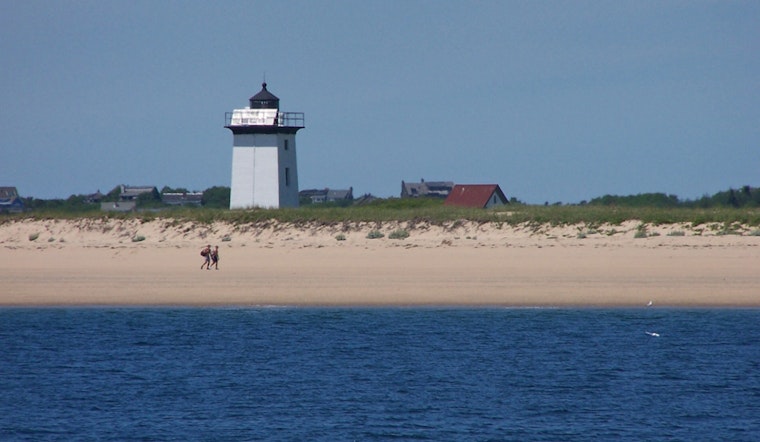
Analyses by park advocates, backed up by national reporting, indicate the directive applies to dozens of park units and that some managers have already begun stripping out specific bans. According to The Boston Globe, those scrapped rules include prohibitions on damaging tree stands, training hunting dogs, using vehicles to retrieve downed animals and hunting along trails. The same reporting points to concrete changes already on the books, such as an extended hunting season at Cape Cod National Seashore, a rule at Lake Meredith National Recreation Area that would allow cleaning game in restrooms and a move at Jean Lafitte that could permit alligator harvest.
How much land is on the table
Hunting is currently authorized in 76 National Park Service units, and roughly 51,097,000 acres across the system are open to hunting. Most of that acreage is in Alaska, with about 7,766,000 acres in the contiguous United States. Fishing is allowed in 213 park units, according to data from the National Park Service. The new default does not instantly flip all that land to new uses, but it does tilt the starting point toward more access.
Experts warn about safety and process
Former National Park Service leaders say existing rules were hammered out locally after lengthy talks with tribes, neighbors, hunters, conservationists and other stakeholders, and they argue that rushing to unwind them could put both visitors and wildlife at risk. “Process never seems to stand in the way of many things with this administration,” former Yellowstone superintendent Dan Wenk told the Associated Press. Elaine Leslie, former chief of biological resources for the Park Service, added that the directive “does not reflect science-based management.”
Hunting groups cheer the move
Sportsmen’s organizations see the order very differently. They praise it as overdue relief from red tape and a win for traditional access. Ducks Unlimited said the directive “recognizes duck hunters’ vital role,” and other groups like the Mule Deer Foundation have backed the “open-unless-closed” approach as a way to bring federal lands more in line with state wildlife management systems, according to industry coverage in Outdoor Life.
Legal guardrails and local control still exist
The Interior order itself notes that closures or restrictions needed for public safety, resource protection or legal compliance are supposed to stay in place, according to the department’s guidance. Even so, the National Parks Conservation Association warns that turning access into a department-wide default could politicize what have typically been site-specific decisions and that understaffed parks may struggle to fully analyze which changes make sense, per an NPCA statement.
What comes next for visitors and parks
Agencies are working on a fast track, with an accelerated timeline to identify existing rules and begin rolling them back in many locations. Reporting indicates the National Park Service has roughly four months to start that review, according to E&E News. For anyone heading to national parks, refuges or seashores, the takeaway is simple but not exactly relaxing: check the individual park’s website for the latest hunting and fishing regulations before you go, because the rulebook is in motion.





