

























































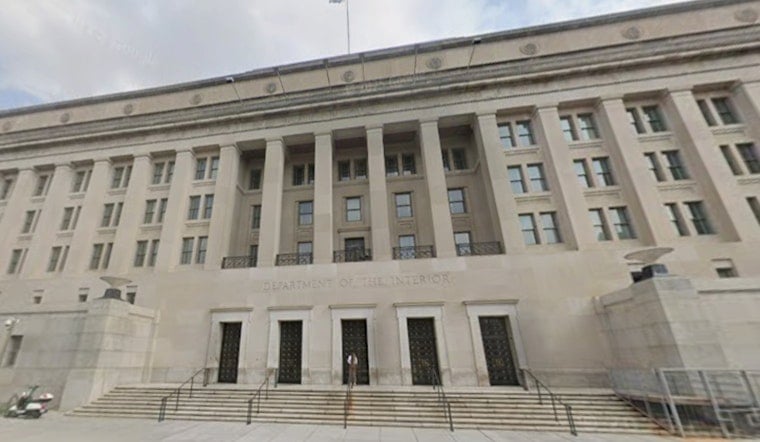
The Biden-era rule that treated conservation as an official "use" of public lands has been formally yanked by the Interior Department, clearing regulatory space for more drilling, logging, mining and expanded grazing across huge stretches of federal ground. Agency documents show the Bureau of Land Management moved on Monday to strike the Conservation and Landscape Health rule, widely known as the Public Lands Rule, from its regulations, a move conservation groups say will weaken protections for already at-risk habitats.
The agency has queued up the rescission for publication in the Federal Register, and paired it with separate grazing-rule proposals aimed at giving ranchers more flexibility, according to reporting from E&E News.
What the Public Lands Rule Did
Finalized under President Joe Biden and effective June 10, 2024, the Conservation and Landscape Health rule was written to put conservation and restoration on equal footing with other authorized uses of BLM land. It created a framework for new "conservation leases" and for landscape health planning that could be layered alongside existing uses to repair battered ecosystems.
The rule’s full text spells out new regulatory subparts on ecosystem resilience and restoration leasing. Those details are laid out in the final rule published in the Federal Register.
Why the Administration Wants It Gone
Interior officials contend the rule stretched the Bureau of Land Management’s statutory authority and injected uncertainty for industries and ranchers that depend on steady access to public land. Interior Secretary Doug Burgum warned that the policy "had the potential to block access to hundreds of thousands of acres," according to coverage by the Associated Press.
Who’s Cheering and Who’s Furious
Industry and livestock groups greeted the rollback as a course correction, saying it restores predictability for energy, timber and ranching operations that rely on BLM permits. On the other side, conservation organizations are livid. Defenders of Wildlife blasted the decision as "abandon[ing] progress" on habitat protection and warned it will harm species and landscapes that depend on active restoration efforts, according to a statement from Defenders of Wildlife.
Industry praise for the move and the accompanying grazing proposals was detailed in reporting by E&E News, which noted that ranching and energy interests see the rescission as a way to reduce red tape on public lands.
How Much Land Is at Stake
The Bureau of Land Management administers roughly 245 million surface acres, about one in every 10 acres in the United States, with much of that territory concentrated in Western states such as Alaska, California, Nevada, New Mexico, Utah and Wyoming. Supporters of the original rule argued that conservation leasing and landscape health authorities would have given the agency new tools to restore degraded public lands and keep relatively intact habitats from sliding into worse shape.
The scope of that portfolio and the mix of uses on it are laid out on the Bureau of Land Management “What We Manage” pages and in the rulemaking record.
Legal Fights and Next Steps
The rescission notice has been posted in the Federal Register’s public inspection system, and reporting indicates the move will be finalized in the coming weeks, with a June entry in the official Register expected. Conservation advocates are already signaling that they are weighing litigation under the Administrative Procedure Act and other laws, following a long line of recent court fights over Interior land-policy reversals.
Court challenges have become almost a standard sequel to big shifts in federal land rules. Coverage in Bloomberg Law and litigation trackers such as Just Security show that major changes in public-lands management frequently end up in front of a judge.
For communities living with the day-to-day consequences of public-lands decisions, from ranching towns to conservation groups and recreation-based economies, this reversal will reshape how the agency balances landscape health with extractive uses. Western states in particular are bracing for the fallout. Regional and national outlets are following the story; for a closer look at reaction in the West, see coverage from the San Diego Union-Tribune.





