

























































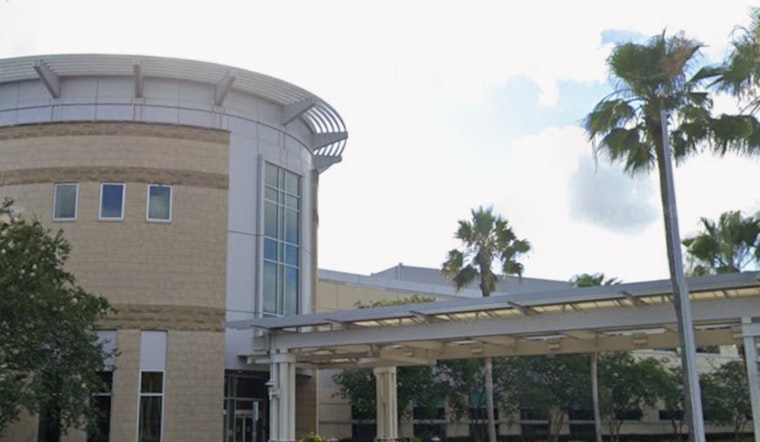
On a campus already steeped in sweltering Florida humidity, the University of North Florida has flipped the switch on the Perry Weather Heat Lab at the Korey Stringer Institute, a controlled-environment research facility centered on how extreme heat affects the human body and how to cut preventable heat-related deaths. The lab will run simulated-heat trials on athletes, military cadets and outdoor workers, pairing physiological monitoring with detailed weather data. UNF leaders say the goal is to turn those findings into safer protocols for high-risk jobs and sports across the region.
High-tech chamber built for real-world conditions
The facility centers on an environmental chamber that can reproduce high temperature and humidity while researchers track heart rate, core temperature and biochemical markers. According to the UNF Newsroom, the lab is equipped with high-speed treadmills, bike ergometers and a dedicated cooling area and bathroom inside the chamber so testing stays controlled and safe. The Korey Stringer Institute's facilities page is described as outlining instrumentation that lets scientists precisely match physiological responses to wet-bulb globe temperature and heat index, so findings can be translated directly to real-world heat conditions.
Who’s running the experiments
The lab is led locally by Dr. Michael Szymanski and Dr. Gabrielle Brewer, whose research covers gut-microbiome analysis, nutritional supplementation and validation of wearable devices, according to PRWeb. Perry Weather, described as the lab's founding industry partner, supplied instrumentation and its monitoring software so scientists can sync weather metrics with physiological data. Company and institute materials state that UNF students will train alongside faculty and that applied studies will include military cadets and local employers.
Why the work matters
Heat is already a leading weather-related killer in the United States. National vital-statistics analyses show an average of roughly 600 heat-related deaths per year, and federal guidance notes that during heat stroke the body’s temperature can spike to about 106°F or higher within 10 to 15 minutes, causing permanent harm or death without rapid cooling, according to the CDC and NIOSH workplace guidance. The new lab is set up to move beyond observational data and test which interventions actually prevent dangerous physiological responses under tightly controlled conditions.
From lab results to local rules
Researchers say the Perry Weather Heat Lab’s findings will be turned into heat-safety protocols for athletes, first responders, military service members and Jacksonville-area employers, and the team is already working with UNF Army ROTC cadets on applied testing, as reported by News4JAX. Planned research areas include heat-acclimation strategies, validation of commercial wearable monitors, nutritional interventions and occupational-heat protocols targeting work crews and sports teams.
Colin Perry, Perry Weather's CEO, said the partnership is intended to put better weather and physiological data into the hands of people who make safety decisions, according to the company release, and institute leaders say expanding KSI's work into Florida will help shape national guidance. The lab team notes that it will publish validation results and protocol recommendations for employers and athletic programs as studies conclude, with wearable-device trials and additional applied research scheduled to begin in the coming academic year.





