

























































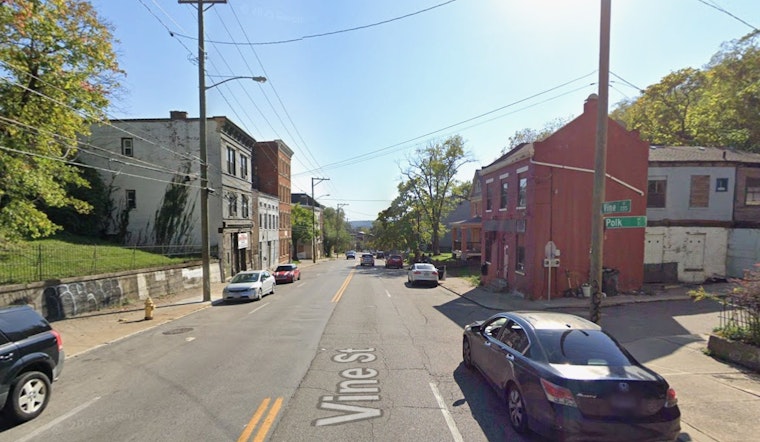
A 57-unit affordable housing project is inching toward liftoff on Vine Street in Clifton Heights, with developers saying they expect to close on financing within weeks. The $21 million MidLine development would move next into site work and construction once that deal is signed, backed in part by roughly $1.4 million pledged by the State of Ohio.
According to the Cincinnati Business Courier, MidLine is budgeted at about $21 million and will deliver 57 income-restricted apartments targeted to Uptown residents. Project partners told the paper they are aiming to wrap up financial closing in the coming weeks, then shift to final permitting and contractor selection, with the state contribution of roughly $1.4 million filling an important gap in the financing stack.
City Filings Show Developer Activity
Public records hint that MidLine is part of a larger play in the CUF/Heights area. City planning files and meeting materials show the development team working on nearby acquisitions and incentives that plug into a broader stabilization strategy around Calhoun and Vine. City of Cincinnati Legistar documents recommend TIF assistance for 119 and 125 Calhoun Street and explicitly flag that the same developer is behind the MidLine project.
Design and Neighborhood Fit
Early design images show a building that steps down the hillside to meet Vine Street and nearby transit stops, a move meant to better connect Clifton Heights to Over-the-Rhine instead of leaving the corridor as a hard divide. The project appears in materials from New Republic Architecture and has been highlighted by Over-the-Rhine Community Housing as a piece of a longer-term Vine Street corridor transformation.
Where It Fits in the City's Housing Push
MidLine is arriving at a moment when Cincinnati is trying to scale up fully affordable housing, even as advocates say the city remains well behind demand. As roughly doubled completions of fully affordable units in 2020–24 compared with 2015–19, a RentCafe analysis found that long-term funding and preservation strategies are still needed to keep lower-income renters from getting squeezed.
Next Steps
If the near-term closing timeline holds, the development team will move quickly to lock in permits, select contractors and lay out a construction schedule, although no official groundbreaking date is on the books yet. Project partners told the Cincinnati Business Courier they expect to complete the financing close in the coming weeks, while neighborhood groups are keeping a close eye on how deeply the units will be income-restricted and how long that affordability will stay in place.





