

























































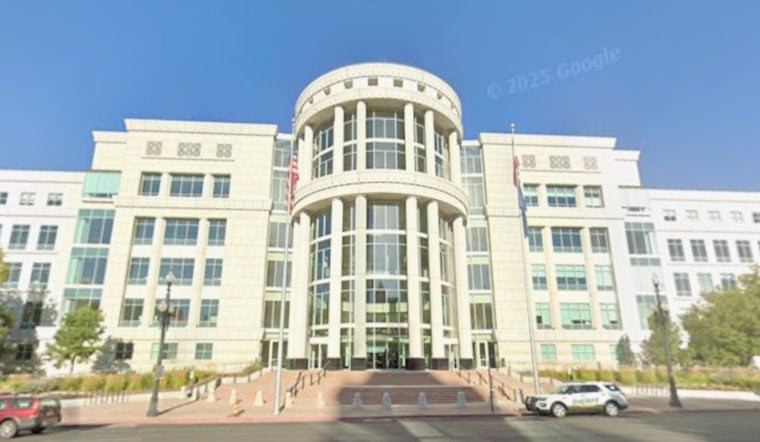
Utah Supreme Court Chief Justice Matthew B. Durrant will step down at the end of August, closing out a 26-year run on the state's highest bench and 14 years in the top job. His retirement opens a coveted seat on the court at a moment when Utah's judiciary is under unusually sharp political scrutiny.
The decision became public in a statement from the Utah Judiciary that, as KSL TV noted, highlighted Durrant as the longest-serving chief justice in Utah history. The announcement did not spell out why he chose this particular timing, instead focusing on thanking him for decades of service.
Durrant joined the Utah Supreme Court in January 2000 and was selected by his fellow justices to serve as chief justice in 2012, according to Utah Courts. Over the years, he has chaired committees on professionalism and technology and acted as the judiciary's representative on the Judicial Council, helping steer how Utah courts respond to everything from changing norms in legal practice to the rise of digital tools in courtrooms.
What happens next
Under state law, the Appellate Court Nominating Commission now has the next move. The commission will gather and screen applications, then certify a slate of nominees to the governor. For a vacancy on the Supreme Court, that list must include seven names, and the governor has 30 days to make a pick from that group, according to the Utah Code.
Practical details like filing procedures, deadlines, and any open applications are posted on the state's Judicial Vacancy portal and will show up there once the commission formally opens recruitment. For lawyers eyeing the job and members of the public tracking the process, judicialvacancy.utah.gov remains the central clearinghouse.
Why it matters
This vacancy lands after a year of unusually public friction between the courts and the Legislature, including fights over congressional redistricting and efforts to reshape how judges are selected and supervised. Lawmakers also approved an expansion of the Supreme Court this session, and legal observers say any new appointment will shape both the court's internal balance and public confidence in the system, as reported by the Associated Press.
With those changes still fresh, the question of who replaces Durrant is likely to draw attention far beyond the usual legal circles.
Legal implications
Once the governor taps a nominee from the certified list, the Utah Senate must vote to confirm the choice. A confirmed justice then faces an unopposed retention election at the first general election held more than three years after appointment and, if retained, serves a ten-year term, according to summaries and analysis in the Utah Bar Journal.
That timetable means whoever fills Durrant's seat could stay on the bench through several election cycles before voters ever get a formal say on retention.
Durrant's retirement closes a significant chapter for the Utah judiciary and kicks off an appointment process that will be watched closely by lawyers, lawmakers, and civic groups alike. Court officials say they will post nomination timelines and application instructions on the Utah Courts press page and the judicial vacancy portal as the nominating commission sets its schedule.




