

























































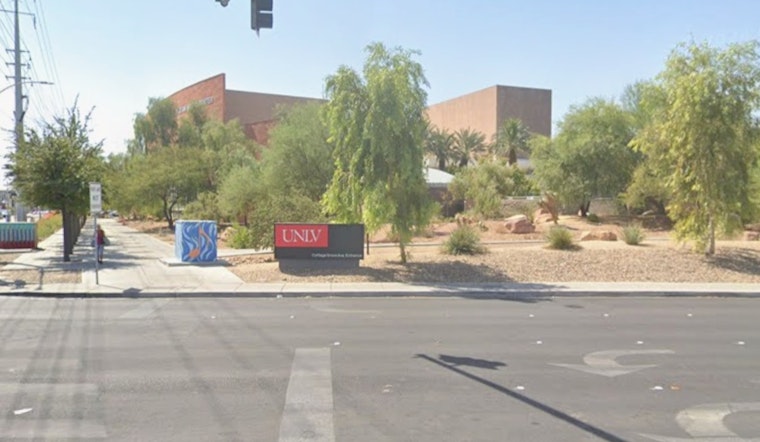
UNLV students and local trade schools are staring down a new kind of job-market jitters: generative AI is already changing how companies hire for entry-level work, and some early-career workers are quietly rewriting their game plans. National research and Wall Street analysis have flagged early signs of displacement, and that uncertainty is now creeping into classrooms and career centers across the Valley. For students mapping out their first paychecks, the once-straight line from degree to salary has started to zigzag.
On campus, some UNLV students told reporters they have mixed feelings. A few worry that companies will decide it is cheaper to deploy AI tools than pay entry-level wages, while others openly rely on those same tools to speed up research and classwork, as reported by FOX5.
Stanford Paper Flags Shrinking Entry Points
A working paper from the Stanford Digital Economy Lab found that early-career workers ages 22 to 25 in the most AI-exposed occupations saw about a 16 percent relative decline in employment after generative AI spread, signaling that some entry-level openings are drying up, according to Stanford Digital Economy Lab. Researchers leaned on high-frequency payroll data and controlled for firm-level shocks in an effort to pin the effect on AI rather than broader business swings.
Wall Street's Tally: Net Monthly Job Losses
Goldman Sachs economists estimate that AI has trimmed U.S. payroll growth by roughly 16,000 jobs per month over the past year, a net figure that suggests substitution is beating out augmentation, as reported by Fortune. According to that analysis, the hit is landing hardest on entry-level roles and younger workers who are just starting to climb the ladder.
Las Vegas Training Programs Pivot
In Las Vegas, at least one trade school says it is seeing a bump in enrollment as people chase hands-on jobs that AI cannot easily copy. Quality Learning Center's director told FOX5 that electrical and HVAC classes have drawn more interest in recent months.
Where Experts Say Students Should Focus
Researchers and labor analysts point students toward work that leans heavily on human judgment, manual dexterity or relationship building, including healthcare, the skilled trades, education and many security roles, which appear relatively more resilient to current AI capabilities, according to analysis from Brookings. Their advice: sharpen communication and critical-thinking skills, stack credentials or portfolios, and learn to use AI as a productivity booster rather than only as a shortcut.
For UNLV students, the decision is becoming very concrete: either learn to work alongside AI and show you can deliver better results with it, or pivot into hands-on paths where the machines are still playing catch-up. Either way, adapting early looks less like extra credit and more like a graduation requirement, and Las Vegas's next class of workers is already adjusting its plans.





