

























































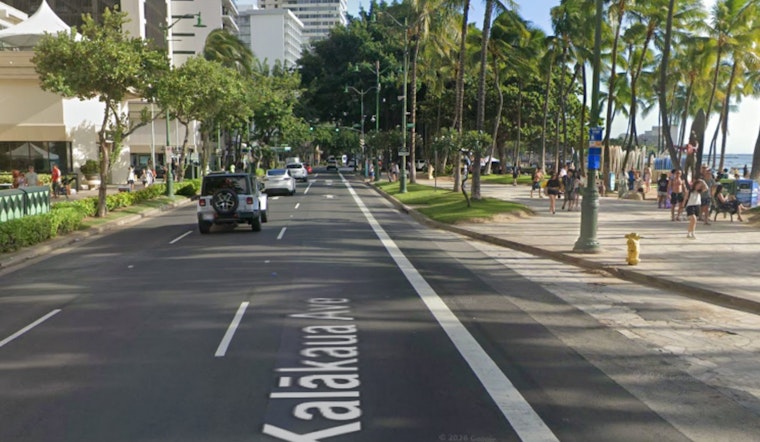
Waikīkī's tourist heart, the stretch around Kalākaua and Kūhiō avenues, counted just 10 unsheltered people on a one-night canvass on April 16, a drop of roughly 91% from earlier tallies in the area. Storefronts and park sightlines that were once crowded with tents have visibly opened up, and local leaders are calling the shift unprecedented. Outreach workers and business groups say the turnaround reflects months of coordinated street medicine, housing referrals and focused enforcement.
The April point-in-time canvass, conducted by the Waikīkī Business Improvement District with the University of Hawaiʻi, found about 201 people experiencing homelessness across Waikīkī and nearby pockets, according to the Honolulu Star‑Advertiser. The Waikīkī Business Improvement District says it has run biannual counts with UH for nearly two decades to guide outreach and services in the district.
Fort DeRussy Beach Park, long a visible site of encampments, was the focus of recent cleanups and follow-up enforcement, Honolulu Police Department officials told the Waikīkī Neighborhood Board. Some tents reappeared after a state cleanup, and the board's written minutes note HPD is seeking a memorandum of agreement to clarify enforcement on state lands while pairing sweeps with referrals to social services. Local coverage of visitor complaints and park impacts has underscored why the area is such a high priority for outreach and city action. Waikīkī Get Down and Hawaii News Now documented the recent back-and-forth around the park.
Outreach plus enforcement
WBID and its partners say the numbers are the product of a blend of on-the-ground medical outreach and targeted prosecution of repeat offenders under the Safe & Sound Waikīkī initiative. WBID describes Safe & Sound as a formal partnership linking the mayor’s office, HPD and the prosecutor’s office that uses geographic restrictions alongside Aloha Ambassadors and street medicine, and partners point to measurable crime drops since the program began. The Waikīkī Business Improvement District lays out the program, and local reporting has tied those tactics to lower crime and more coordinated services, with one story highlighting the earlier crime declines linked to the initiative.
What outreach looks like
WBID President Trevor Abarzua has called the scale of the drop "unprecedented" and credited the slow work of building trust so medics and caseworkers can connect people to care and housing, according to the Honolulu Star‑Advertiser. The April count also found encampments at Fort DeRussy have shrunk from dozens of tents to only a few in recent weeks, and WBID says it will pay vetted individuals' travel home when a safe support system exists. Partners point to an expanded Waikīkī Health street‑medicine schedule and stepped up Aloha Ambassador referrals as the on-the-ground backbone of the effort. The Honolulu Star‑Advertiser reported those program details.
What to watch next
Officials caution that one night’s canvass is only a snapshot, and Oʻahu‑wide numbers are still being finalized. Broader Point‑in‑Time releases due this week will show whether the Waikīkī improvement is part of a wider trend. Civil Beat notes that neighbor‑island counts have produced mixed results, and outreach leaders say sustaining any gains will depend on ongoing housing matches and stable funding.





