

























































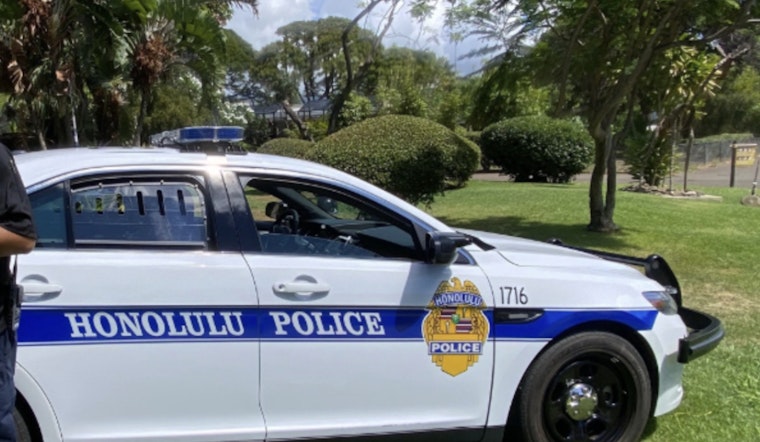
Waikiki is getting a little easier to breathe in these days. Local leaders say reported crime in the neighborhood has dropped about 18% since the Safe and Sound Waikiki initiative kicked off in 2022, with roughly 278 fewer thefts and 19 fewer robberies logged across the tourist-packed district. Business groups and police are pointing to the numbers as evidence that their joint effort is starting to pay off.
According to KITV, the figures cover the period since the program launched and draw on data from the Waikiki Business Improvement District and the Honolulu Police Department. Officials told the station they credit the drop to a blend of focused policing, targeted prosecutions and stepped-up outreach on the streets.
How Safe and Sound Works
Safe and Sound Waikiki rolled out in September 2022 as a coordinated push that links the Waikiki Business Improvement District with the Honolulu Police Department, the mayor’s office and the prosecutor’s office to zero in on habitual offenders and widen social-service connections, according to the Waikiki Business Improvement District. The program’s early game plan and crime-fighting goals were laid out at launch and in follow-up coverage by the Honolulu Star-Advertiser, where partners stressed that they wanted enforcement paired with services instead of relying only on arrests.
On-the-ground Tactics
Day to day, that has translated into more visible HPD patrols, court-ordered “geographic restrictions” that keep repeat offenders out of Waikiki and expanded outreach through Aloha Ambassadors and local nonprofits, according to local reports. Hawaii News Now linked the crime dip to tighter enforcement and coordinated outreach that includes the Institute for Human Services, while district coordinators for the Waikiki Business Improvement District say Safe and Sound also tracks people over time and connects them with services. Aloha State Daily reports that this mix of enforcement and social support is the core of the strategy.
Numbers and Caveats
Officials are quick to say the latest stats are a snapshot, not the final word. They note that shifts in enforcement intensity or how incidents are reported can nudge certain categories up or down, and early reviews showed disorderly conduct cases climbed as officers cracked down on low-level offenses. For historical context, coverage by Hawaiʻi Public Radio and other outlets documented earlier year-over-year declines in burglaries and property damage after Safe and Sound’s first year, a reminder that no single data point locks in a long-term trend. Hawaiʻi Public Radio reported on those early declines while warning that changing enforcement patterns can shape the raw counts.
Legal Tools
A key piece of the initiative leans on legal muscle from the prosecutor’s office. County prosecutors ask judges to impose geographic restrictions that bar repeat offenders from returning to Waikiki, and violations can trigger an arrest, according to local coverage. Prosecuting Attorney Steve Alm and other officials have pressed for tougher charging decisions and firmer restrictions to head off repeat thefts, an approach the Honolulu Star-Advertiser detailed as part of the broader Safe and Sound playbook.
What’s Next
The Waikiki Business Improvement District says it plans to keep sharpening the “sound” side of the plan, which means more outreach, housing referrals and data tracking, while holding on to the enforcement tools that partners say helped drive the recent declines. The BID and HPD expect to release updated numbers as they come in and say they will continue to lean on both patrols and social services to keep Waikiki safe and visitor-friendly, according to the Waikiki Business Improvement District.





