

























































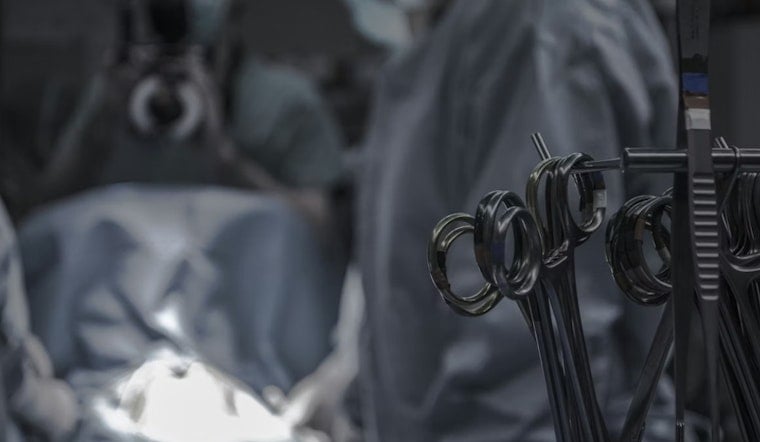
A Utah research team is sounding the alarm on bad air and the operating room, reporting that even a single day of elevated fine particle pollution in the week before an elective surgery may bump up the risk of serious complications. One high pollution day in the seven days leading up to an operation was linked with higher rates of pneumonia, sepsis, and surgical wound infections among patients along the Wasatch Front.
Study Design
The researchers reviewed records from 49,615 non-emergency surgeries at a single academic medical center, according to a preprint on medRxiv. They matched each patient’s geocoded home address to daily PM2.5 estimates pulled from state and EPA monitors plus satellite-based models, then used hierarchical Bayesian models to estimate the association while adjusting for age, existing health conditions, season, and neighborhood-level factors.
Key Findings
When air pollution in the week before surgery exceeded the EPA’s daily PM2.5 limit, the absolute complication rate climbed from about 4.8% to roughly 6.2%. Every 10 µg/m3 increase in the highest single-day PM2.5 reading during that week was tied to about an 8% higher odds of complications, according to University of Utah Health. The team focused on a composite outcome that included infections such as pneumonia, sepsis, and wound infections.
Researcher Takeaways
Lead author Dr. John Pearson noted that the Wasatch Front’s bowl-shaped geography and frequent winter inversions create a kind of natural experiment for short bursts of heavy pollution. He and his colleagues suggested practical steps to blunt the impact, from improving in-home air filtration to providing portable room air cleaners for patients around their surgery dates. Those ideas, along with the team’s plans to expand the research nationwide, were highlighted in coverage by KSL NewsRadio.
Limits And Next Steps
Co-author Dr. Nathan Pace emphasized that the observational design cannot prove that pollution directly causes the higher complication rates, and that unmeasured factors could influence both exposure to bad air and surgical risk. The work was peer reviewed and published in Acta Anaesthesiologica Scandinavica, which details the Bayesian modeling, reports several sensitivity checks, and calls for larger, multicenter replication studies.
What Patients Can Do
Until bigger, multi-site studies weigh in, experts point to some low-tech protections that are unlikely to hurt and may help. These include using a quality portable HEPA air cleaner, running central HVAC on recirculate with a high MERV filter when the outdoor air is poor, and skipping heavy outdoor workouts on smoky or inversion days. Those steps are in line with a CDC evidence review of indoor air filtration. For more details, see guidance from the EPA.
Why It Matters Locally
For people living in and around Salt Lake City, the findings tie a familiar annoyance, winter inversions and wildfire smoke, to short-term surgical risk as well as long-term disease. Local researchers and institutions have been warning about that dual impact for years. As more data accumulate, the study’s authors and public health experts say hospitals and patients alike may start treating air quality forecasts as one more factor to weigh when planning an operation.





