

























































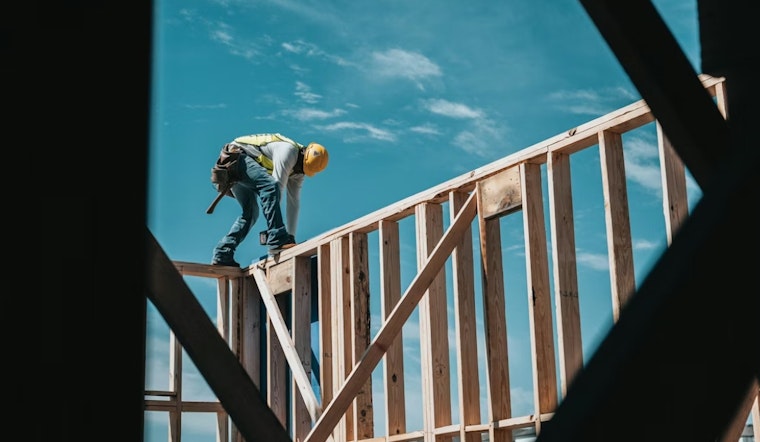
Terraine, a new master-planned neighborhood climbing the west bench toward the Oquirrh Mountains, is rapidly shifting from glossy renderings to graded streets and model homes you can actually walk through. Builders are rolling out a mix of single-family homes, townhomes and small multifamily clusters tied together by trails, orchards, and shared meadows. The sheer size of the project is already raising questions about school capacity, traffic on west-side roads and how much foothill open space will really stay open. City staff and the developer say they are tackling those issues through phased plats, long-range infrastructure planning and specific financing tools as construction moves ahead.
Size and scope
According to KUTV, the Terraine master plan covers roughly 630 acres on West Jordan’s west bench and could eventually include about 2,800 homes. Urban Land describes a similarly sized footprint of about 634 acres and highlights a valley-focused layout that clusters neighborhoods away from the perimeter, with the intent of protecting more of the surrounding foothills.
Water-wise landscaping and Localscapes
The community is being marketed as a Localscapes-style, water-efficient project that swaps the typical “lawn-first” subdivision look for native plant palettes, drip irrigation, and larger shared activity spaces. Developer materials say that the approach could cut outdoor water use significantly when compared with conventional yards. Per the developer announcement, Terraine worked with the Jordan Valley Water Conservancy District to write those landscaping standards and to qualify as a Localscapes community in northern Utah. Terraine and the district note that the landscaping is intended to be both resilient and visually appealing, trading most turf for drought-adapted plantings and orchards, while the district’s conservation materials lay out Localscapes principles and available incentives according to Jordan Valley Water Conservancy District.
Funding open space and who pays
To help lock in larger foothill open space areas, the developer and West Jordan created a local public improvement district, or PID, that finances preservation by selling bonds to buy and protect targeted acreage. Urban Land reports that the first bond tranche was roughly $25 million and describes how homeowner assessments are set up to repay the debt. Those assessments are structured as an amortized charge, paid monthly over time as new neighborhoods are built and occupied.
Builders and what’s already on the ground
Several national and regional builders are already active in Terraine. Tri Pointe Homes has opened its Polaris at Terraine collection, and other builders are marketing both single-family homes and attached products in the community. Tri Pointe Homes shows model homes and current availability as phases come online, while broader builder listings indicate a range of floor plans and price points aimed at buyers looking in the West Bench foothills.
City approvals and neighborhood impacts
West Jordan planning records show the city processing Terraine through a series of phased plats and subarea plans rather than one giant approval. Minutes from a planning commission meeting list actions such as a 44-lot preliminary plat, covering about 16.7 acres, as individual subareas advance. Local coverage and planning analysis have emphasized that concentrating homes in lower valley areas produces a higher net density, which the developer says helps make the large perimeter open space areas financially workable while still responding to market demand, according to West Jordan Planning and Zoning minutes and Building Salt Lake.
What to expect next
Terraine is planned to build out in multiple phases over several years, with additional plats, model-home openings and community programming rolling out as roads and utilities climb farther uphill. The development team has said features like lantern lighting, trail connections and shared amenities will be key pieces of how the neighborhood feels and functions once more residents move in. Nearby homeowners and would-be buyers can expect more public hearings, updated traffic and school-capacity studies, and ongoing coordination with local water and utility districts as each new phase seeks its final approvals.





