

























































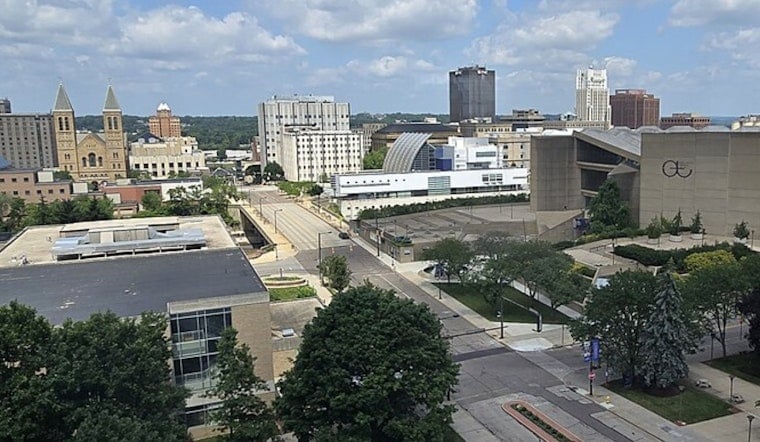
Akron is quietly pulling people back, not with one flashy megaproject but with cheap houses, a refreshed downtown, and a cluster of jobs that do not require coastal-sized paychecks. Buyers arriving from pricier metros, along with some locals returning after years away, say they can suddenly afford much more space and still reach bigger-city amenities with a short drive. The shift is not a full-on boom, more of a steady neighborhood-by-neighborhood change that realtors and restaurant owners say they can feel.
What reporters found
As reported by the Akron Beacon Journal today, recent arrivals and a wave of "boomerangers" say a mix of affordability and compact urban amenities drew them to Greater Akron. The Beacon Journal’s profile reporting highlights, for example, a 31-year-old buyer who landed a four-bedroom West Akron house for roughly $170,000, and it ties stories like that to both job prospects and lifestyle choices. Local leaders and developers told the paper that the trend is uneven and early, yet significant enough that they are watching as long-quiet streets start to refill.
Why affordability matters
National affordability rankings back up the local anecdotes. A WalletHub analysis this spring placed Akron among the most affordable U.S. markets for homebuyers, a finding that other outlets were quick to amplify. WalletHub also quotes analysts who warn that list prices alone do not tell the full story, since incomes, taxes and long-term maintenance costs can tilt the math. That caveat helps explain why certain midsize Midwestern cities are suddenly popping up near the top of affordability lists, even as overall housing costs keep climbing nationally.
Jobs and local anchors
Price tags are only part of the sales pitch. New residents are also finding work that actually sits in the region. Innovation and startup activity centered at Bounce Innovation Hub, along with steady employment tied to the University of Akron and major health systems, give people reasons to plant roots rather than just test the waters. Those anchors, plus restaurants, parks, and relatively painless commutes to Cleveland, are the daily perks that movers say they notice most once they settle in. Local officials point to polymer-industry programs and university research as ongoing job drivers that help make relocation feel practical for families sizing up a move.
How Akron stacks up against the nation
In the national context, the gap in housing costs is hard to ignore. The National Association of Realtors reports a U.S. median existing-home price near $419,300, while reporting compiled for regional coverage puts Greater Akron’s average single-family price in the low-to-mid $200,000s. That spread goes a long way toward explaining the renewed interest from buyers who have been squeezed elsewhere. Even so, not everyone is ready to declare a full-fledged comeback.
Outlook: measured, local, conditional
What happens next depends on some familiar swing factors: how much housing gets built or listed, whether wages keep pace, and whether the affordability edge shrinks as prices rise or as more people arrive. For now, the picture is modest: new arrivals in scattered pockets, tighter activity in select neighborhoods and a market that remains far cheaper than many coastal metros. City officials and local developers told the Beacon Journal they plan to keep backing projects and job growth that could turn today’s affordability story into something more durable and less fleeting.
Locals tracking housing inventory, hiring at innovation hubs and rent trends will likely get the earliest clues about whether Akron’s current moment is just a blip or the start of a longer run of growth.





.jpg)