

























































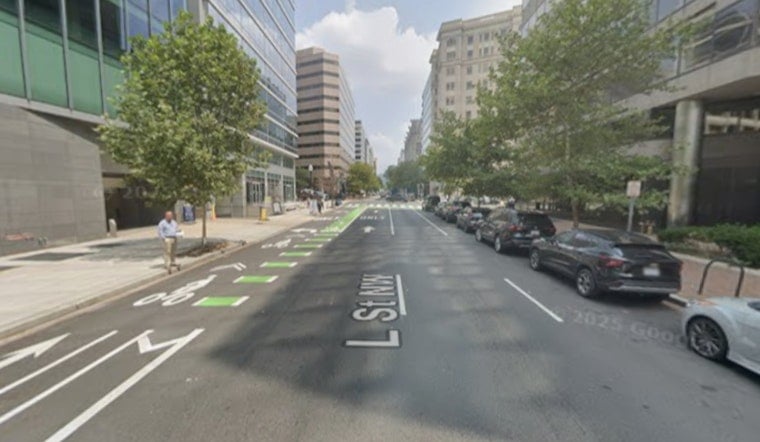
Algeria has quietly snapped up a major downtown Washington office building just a few blocks from the White House, giving the North African nation a high‑profile address in the heart of the capital. The purchase centers on a large Class‑A office property in the East End business district and follows other recent Algerian real estate moves on the West Coast, raising fresh questions about whether the newly acquired space is destined for diplomatic, consular or other official use.
According to the Washington Business Journal, the People’s Democratic Republic of Algeria has acquired the office building at 1441 L Street NW. The outlet reported the sale on June 15 and underscored the building’s close proximity to federal agencies and the White House, a location that typically catches the eye of foreign governments and policy players alike.
A building profile describes 1441 L as roughly 211,000 square feet of Class‑A office space that has undergone a major renovation in recent years and now features modern amenities aimed at institutional tenants, per S.C. Herman. Its East End address places it within an easy walk of federal offices, think tanks and other diplomatic missions, a geographic lineup that helps explain why a foreign government might zero in on the property.
Algeria’s real estate shopping spree is not confined to Washington. In May, CoStar reported that the Algerian government paid roughly $15 million for a four‑story building at 1400 Van Ness Avenue in San Francisco, with plans to house a consulate there. Taken together, the Washington and San Francisco deals point to a broader strategy of locking down official space in key U.S. cities.
Diplomatic Oversight And What Comes Next
The State Department’s Office of Foreign Missions, or OFM, is the federal gatekeeper for how foreign governments buy and use real estate in the United States. The office reviews and adjudicates foreign missions’ property acquisitions and proposed uses, weighing factors such as reciprocity, zoning rules and national security concerns. Guidance from the U.S. Department of State notes that OFM also coordinates with District of Columbia regulators on land‑use and chancery issues and keeps formal records of foreign mission properties.
That framework matters here because any shift in how 1441 L Street is used, such as converting standard commercial office space into a chancery, consulate or other official mission offices, can trigger extra layers of review at both the federal and local levels. At the same time, the broader backdrop is a softened downtown Washington office market, where remote work and conversions have thinned traditional demand and made large, well‑located buildings more attractive to nontraditional buyers, according to recent market reporting.
For now, it is not clear how Algerian officials plan to use their new East End address. Filings with OFM, local zoning bodies or updated property records could reveal those plans in the weeks ahead, turning what is currently just a big downtown office buy into something much more politically visible.



