

























































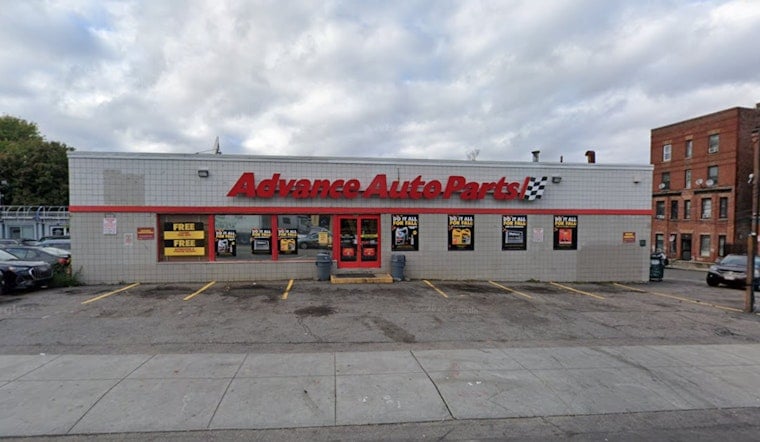
On June 3, 2026, the Boston Zoning Board of Appeal signed off on a seven-story boutique hotel that will take over the one-story auto-parts store at 393 Cambridge Street in Allston. The plan calls for roughly 96 guest rooms on an approximately 8,220-square-foot lot and hinges on demolition of the existing Advance Auto Parts building. Developers are pitching the project as a compact, low-parking hotel tailored to families visiting nearby colleges and short-stay travelers, with streetscape upgrades and a modest community benefit aimed at nearby Ringer Park folded into the deal.
What the board approved
The board's vote cleared the variances and conditional use the project needed to move forward, as reported by Boston Business Journal. According to the BPDA's project page, the site at 393 Cambridge Street is slated for a seven-story, roughly 46,659-square-foot building with 96 rooms on an 8,220-square-foot parcel now occupied by a single-story auto parts retailer. The zoning approval comes after earlier planning department review that advanced the hotel as one of several projects moving through the city this past winter.
Design and developer
City Realty Group is listed in filings as the project's proponent, and the public filing package includes renderings credited to KDI Architecture that have circulated in neighborhood coverage. Trade reporting and project notices describe the pitch: a compact lodging option for business travelers and visiting student families, a short walk from Harvard Avenue and multiple MBTA routes. The developer still has to secure design review sign-offs and building permits before demolition crews show up and construction can begin.
Green building and neighborhood trade-offs
City planning documents and BPDA notes spotlight the project's sustainability focus. The hotel was advanced under Boston's Net Zero Carbon zoning rules and is targeting LEED Gold performance, including provisions for indoor and outdoor bicycle parking. Coverage from local industry outlets also points to mitigation commitments such as wider sidewalks, new street trees, a raised crosswalk and a $30,000 contribution for Ringer Park maintenance as part of the project's community benefits. Neighbors and small merchants, meanwhile, are weighing the familiar trade-offs, from losing a longstanding storefront to the impact of more short-term visitors on an already tight commercial corridor.
What’s next for the site
With the ZBA vote in the books, the developer can now pursue building permits, line up financing and schedule demolition of the existing structure, according to project materials. As reported by Boston Business Journal, the team still has to clear design review and standard permitting steps before any groundbreaking. Residents can expect construction notices and additional public updates as the project moves through the city's permitting timeline.




