

























































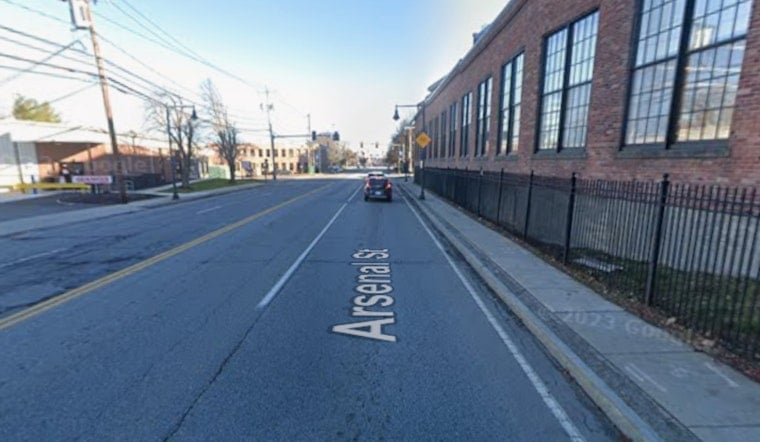
The MBTA and the City of Watertown are rolling out a pitch for quick-build street changes and longer-range design work on Arsenal Street, the 1.8-mile stretch between Watertown Square and Western Avenue in Allston. The idea is simple enough: use painted lanes, signal tweaks and short "queue jump" lanes to move Route 70 buses faster and more reliably while the city wrestles with new housing and mounting traffic. Residents will get a closer look at the options, and a chance to quiz project staff, at a public open house on Sunday, June 14 at the Watertown Free Public Library.
What the agencies are proposing
As reported by Streetsblog Massachusetts, the MBTA and Watertown are studying bus-priority infrastructure along Arsenal Street that would support better Route 70 service. On the table are painted bus lanes, transit-signal priority and short queue-jump lanes. According to that coverage, Route 70 carries more than 5,000 weekday riders and currently runs about every 10 to 15 minutes during peak times and roughly every 20 to 30 minutes during off-peak hours. City senior transportation planner Zeke Mermell told Streetsblog that the project is aimed at "tactical" changes planners can deliver sooner rather than later so riders see short-term improvements.
Part of the MBTA’s Better Bus push
The Watertown work sits inside the MBTA’s broader Better Bus Project and bus network redesign, which seeks to convert many routes into frequent, all-day service while adding transit-priority features in partnership with local cities and towns. MBTA materials describe a package of route updates, more frequent trips, dedicated bus lanes and related tools meant to shave time off rides and make service more reliable. One stated goal of the network redesign is to move routes like the 70 into the "frequent-service" category, meaning service roughly every 15 minutes or better all day, seven days a week, in places where demand supports it.
Safety and street design pressures
Safety data is adding urgency to the planning. Streetsblog Massachusetts cites MassDOT crash figures showing at least 68 injury-causing crashes on Arsenal Street since 2021, including a fatal collision at Talcott Avenue in 2023 and several crashes that injured people walking or biking. State corridor studies over multiple years have already flagged Arsenal’s 4- to 5-lane layout as a mismatch for growing foot traffic, denser development and heavy bus ridership, and they outline design alternatives to cut conflicts and boost transit speeds. Advocates and neighborhood groups have pressed planners to put transit reliability first, even when that means trade-offs with curbside parking.
Growth is making the corridor busier
Watertown’s recent rezoning under the MBTA Communities law has shifted what can be built around Watertown Square. City materials explain that the new rules created a by-right unit capacity intended to meet the law’s requirements. Local reporting has followed a series of new multifamily proposals working through the city process, with recent submissions and applications that together represent hundreds of potential homes in and near the square. Planners say that incoming housing is a major reason to test quick-build transit fixes now so the bus network can absorb growth without waiting for years-long reconstruction projects.
How to weigh in
MBTA and city staff have been hosting outreach events and resource tables to gather feedback from riders and neighbors. Meeting dates and project documents are posted on the MBTA project page for the Arsenal Street Transit Priority Corridor Project and in local announcements. Staff say the tabling and open house are chances to review draft street layouts, ask detailed questions about parking and traffic trade-offs and sign up for updates as the work moves from quick-build pilots to more permanent designs.
For Watertown riders, the policy question comes down to speed and trade-offs: quicker, more reliable buses could move more people and cut local trip times, but only if there is political support to adjust curb use and traffic lanes. The next few weeks of meetings will reveal whether neighbors and commuters rally behind the proposed quick-build changes or push for a different balance of safety, parking and bus priority as the city shapes its long-term redesign.




