

























































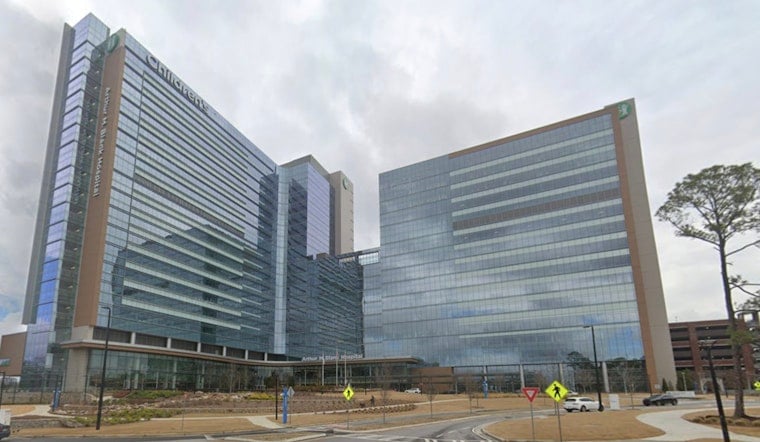
A new Georgia Tech analysis says Children's Healthcare of Atlanta is no quiet neighborhood hospital anymore. The system now generates roughly $6 billion in annual economic output for Georgia, driven by expanding specialty services, rising patient volumes and the opening of the Arthur M. Blank Hospital. Executives say even more bed and program expansions are already on deck as pediatric demand in Georgia keeps outpacing the local supply of care.
The report, based on 2024 data, finds Children's economic output climbed about 65% over the last decade and concludes that without the system, many families would be driving or flying out of state for specialty care. According to a Georgia Tech economic impact report, as reported by The Atlanta Journal-Constitution, Children's now generates roughly $6 billion a year in economic output and Georgia would have lost an estimated 16,500 jobs and $3.4 billion in investment if the system were not here. Children's leaders told the paper their balance sheet has grown as well, with net assets rising from $10.7 billion at the end of 2024 to $12.7 billion at the end of 2025, and that recent projects, including Arthur M. Blank Hospital, helped fuel new economic activity.
Children's own reporting shows that in 2023 the system provided $412.4 million in community benefits, served more than 450,000 unique patients and handled about 1.1 million patient visits. Children's Healthcare of Atlanta says it directly employs more than 14,000 people and operates three freestanding hospitals, the Marcus Autism Center, urgent cares and dozens of neighborhood specialty clinics that touch all 159 Georgia counties. The system notes it has invested in research and training, including more than $13 million to train residents and fellows, and that many programs are designed specifically to build pediatric capacity in rural communities.
Rural Reach And Access
Hospital officials told the AJC that the system now tallies hundreds of rural transports each year and that roughly one in six Georgia children relies on Children's annually. Linda Matzigkeit, the system's chief administrative officer, told the newspaper Children's recorded 447 transports last year and provides a substantial amount of unreimbursed or subsidized care, a level leaders say runs in the hundreds of millions of dollars each year. Those gaps, officials say, are a key reason the hospital continues to invest in telemedicine, transport and partner programs that aim to keep more care closer to home while still backing up local providers when things get complicated.
Jobs, Training And Local Economies
Beyond the exam rooms and operating suites, the system's hiring and purchasing ripple across metro Atlanta and well beyond, from short-term construction jobs to long-term clinical and support roles. Children's Healthcare of Atlanta reports more than $13 million invested in training medical residents and fellows in 2023, with a significant share of graduates remaining in Georgia, and says construction and operations around its campuses supported thousands of jobs and wages tied to the new hospital work. Georgia Tech's analysis credits that mix of clinical revenue, hiring and research activity for Children's growing statewide economic footprint.
What To Watch
City and state leaders will be watching how reimbursement policy, workforce shortages and the pace of planned expansions affect whether specialty care truly moves closer to rural families. Hospital officials say they plan to keep investing in transport networks, telehealth tools and training programs in an effort to blunt access gaps while juggling rising costs. For now, the Georgia Tech numbers hand local officials and business leaders a fresh data point as they sort out future health investments and economic priorities for the region.





