

























































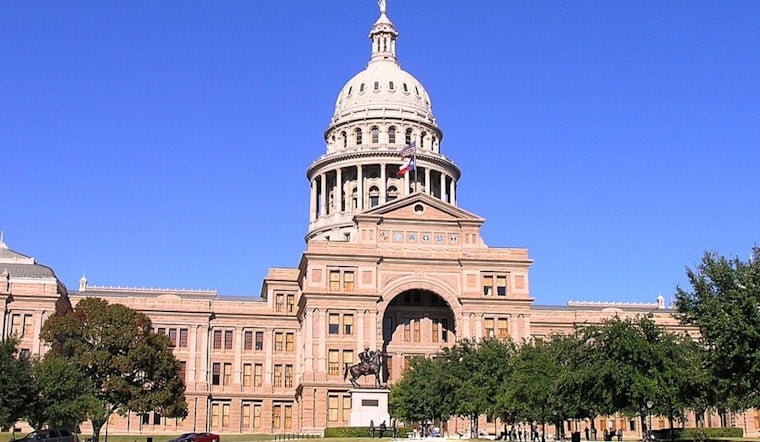
Mike Collier, the two-time Democratic nominee for lieutenant governor, has taken his fight over Texas ballot rules to federal court in Austin. He is challenging the state's requirements for independent candidates, arguing that the 1% signature threshold and a 30-day post-runoff filing deadline make it functionally impossible for independents to qualify for the ballot in races that go to a runoff. The lawsuit asks a judge to either give independents more time to gather signatures or declare the current nomination scheme unlawful.
Collier's complaint was filed last week and, as reported by The Texas Tribune, boils his argument down to a sharp one-liner: “The constitution says I can run for office and the Legislature says I can’t, so we’re going to let the courts decide.” The filing also lists several co-plaintiffs: former U.S. Rep. and Dallas mayor Steve Bartlett, ex-Tarrant County Judge Glen Whitley, former state Sen. Kel Seliger, and West Texas prosecutor Sarah Stogner.
What the law requires
Under state law, independent statewide candidates must collect petition signatures equal to 1% of the vote cast for governor in the prior election. The Texas Secretary of State has pegged that number at 81,030 signatures for the 2026 ballot. The state also prohibits circulating nominating petitions until after party primaries and, if needed, runoffs, and it requires completed petitions to be filed within 30 days after the runoff. For Collier, that schedule leaves only a few weeks to gather enough valid signatures. He and his lawyers say that combination makes Texas an outlier and effectively shuts independents out of many statewide contests.
The math and the cost
Collier estimates he would need roughly 1,500 volunteers working at a steady clip to track down enough eligible signers. He also says bids to hire paid petition circulators ran as high as about $3.2 million, a price tag he argues makes a serious statewide independent bid prohibitively expensive. Those figures are central to his claim that the requirements and timeline amount to a practical ban on independent statewide campaigns, a point detailed in the complaint and reported by The Texas Tribune.
What Collier is asking the court to do
The lawsuit asks a federal judge to either loosen the timeline or lower the signature floor so an independent run is realistically possible before the petition deadline. As Bloomberg Law reported, Collier could be left with only about 30 days because the Democratic runoff wrapped up in late May. A spokesperson for the Secretary of State's office said it would not comment on the litigation, and local reporting notes that Secretary of State Jane Nelson plans to step down in mid-July, a personnel change that could affect how the agency responds if a judge orders relief, according to the Denton Record-Chronicle.
Legal context
Ballot-access challenges like Collier's are decided under a balancing test that weighs how heavily a law burdens candidates and voters against the state's interest in running orderly elections. The Supreme Court laid out that framework in cases such as Anderson v. Celebrezze. Collier's lawyers plan to argue that the combined signature floor and compressed timeline impose an undue burden that the state cannot adequately justify, and they are asking for narrow relief that protects administrative interests while still allowing practical ballot access for independents.
The case is now pending in federal court in Austin, and Collier's team has signaled it intends to push for expedited relief so an independent option remains viable for 2026. A ruling in Collier's favor would reshape the logistical calculus for third-party and independent campaigns across Texas. A loss would leave the existing rules in place and make future independent statewide runs even harder to mount.



