

























































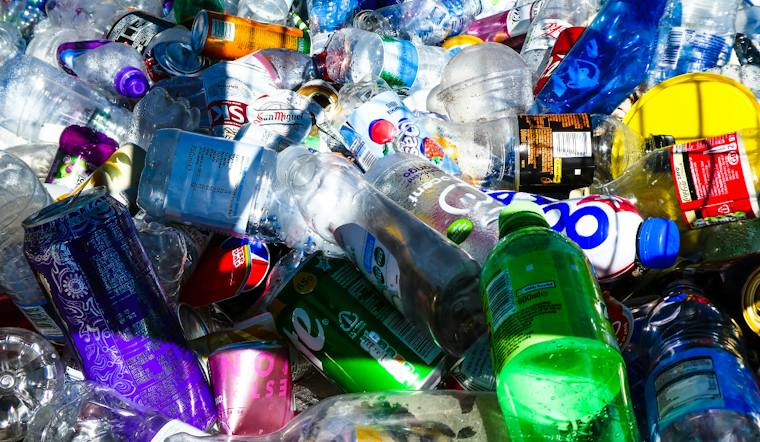
Day Owl, the Pittsburgh maker of backpacks and bags built from recycled plastic bottles, is in its final days, unloading remaining inventory this week as it prepares to close. The company has launched a clearance sale of its last merchandise, with proceeds earmarked to pay down debt and provide a financial cushion for staff as operations wind down. The shutdown brings an end to a locally grown sustainability venture that had carved out a modest manufacturing footprint in the city.
The closure was announced in an email to customers from CEO and founder Ian Rosenberger, according to Pittsburgh Business Times. The outlet reports that Day Owl formally launched in March 2020 after a crowdfunding campaign that raised more than $600,000, and notes that Rosenberger told customers the company is selling off inventory to “pay down our debt and give the team as much of a cushion as possible.”
Industry trade coverage says Day Owl is discounting products while supplies last. ASI Central reports markdowns around 40 percent as the brand clears out stock to cover its obligations and wrap up operations.
Tariffs And A Tight Margin
The company had already gone public with concerns that shifting import duties and tariff uncertainty were wreaking havoc on planning for a small brand that sources materials and finished goods overseas. Pittsburgh Business Times reported in 2025 that Rosenberger warned tariff changes had forced Day Owl to pause orders and presented what he called an “existential” cost challenge.
From Face Shields To Local Jobs
Day Owl’s Homewood operation shifted early in the pandemic to producing face shields for local health providers, hiring neighborhood stitchers and contractors in the process, according to the Richard King Mellon Foundation. That local manufacturing push helped sustain jobs for a period, but the foundation’s account indicates that later tariff and broader market pressures ultimately drove the outcome the company is now facing.
Rosenberger’s farewell note, as relayed in trade coverage, did not shy away from the strain those pressures created. “Nobody wants to purchase a product if they don’t know what it’s going to cost when it arrives,” he wrote, adding that the team had “reached the end.” ASI Central reports he also told customers he still believes in the mission behind the work, even as the brand shuts down.
For now, the clearance sale will continue online until inventory runs out, with the company saying the proceeds will go toward covering outstanding obligations and providing transition support for employees. Local readers who want more context on the closure can find the underlying reporting from the Pittsburgh Business Times republished by WPXI.



